TL;DR: Yes, you can landscape over utility lines if you choose shallow-rooted plants like groundcovers, perennials, and small shrubs. Avoid trees, deep-rooted shrubs, and any permanent structures over easements. Always call 811 before you dig anything.
What Can I Plant Over Underground Utilities?
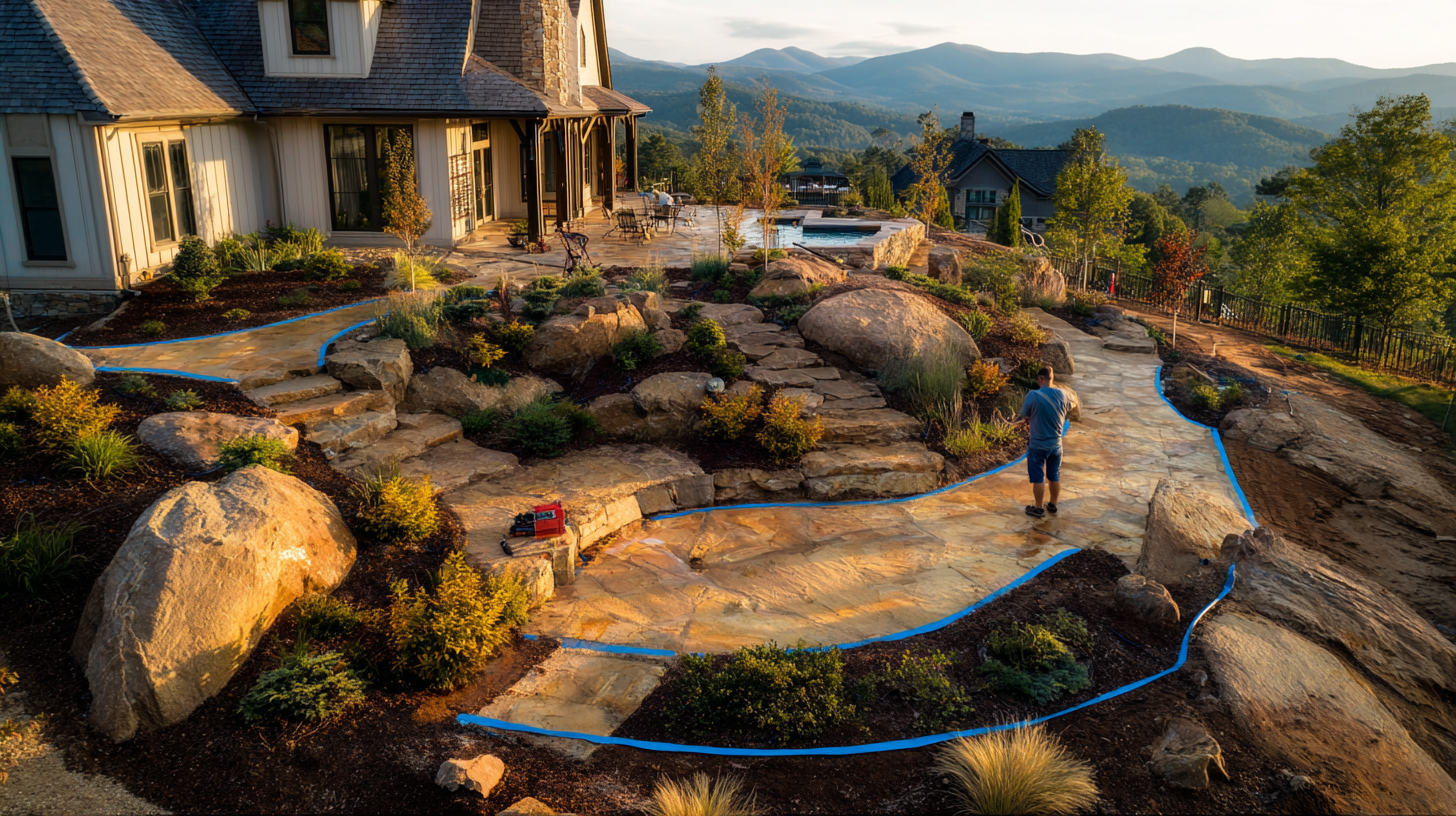
The safest plants to put over underground utilities are shallow-rooted groundcovers, perennials, and small shrubs that stay under four feet tall and keep their roots in the top 12 inches of soil. Good choices include creeping phlox, wild ginger, pachysandra, hostas, daylilies, ornamental grasses, spirea, small hydrangeas, and native azaleas. These plants spread beautifully without sending roots deep enough to threaten pipes or cables.
Perennials are especially practical for utility areas. Hostas, daylilies, and ornamental grasses create real visual interest while staying root-shallow. Native plants for your Asheville garden like coral bells and wild bergamot attract pollinators and handle our mountain climate without needing deep root penetration.
Decorative mulch and stone pathways are another strong option. They look intentional, require almost no maintenance, and make it easy for utility workers to access lines when needed. River rock borders or mulched walking paths can actually turn an awkward utility easement into an attractive landscape feature. For more ideas along those lines, browse hardscaping ideas to enhance your outdoor living space.
What Is a Utility Easement and How Does It Affect Your Yard?
A utility easement is a legal agreement recorded on your property deed that gives utility companies permanent access to maintain their underground infrastructure, even if that means digging up your landscaping. Utility easements are not suggestions. They are binding, and utility companies have the right to access them whether your plants are there or not.
In Buncombe County, most residential properties have gas lines, water mains, sewer lines, electrical cables, and communication lines running through the yard. These utilities often follow property boundaries or cut straight through the middle of lots, depending on when your neighborhood was developed. The easement zone is typically several feet wide on either side of the actual line.
You can absolutely landscape over utility easements. You just have to be smart about what you put there and follow a few rules that protect your wallet and your safety. If you are also thinking about landscaping around septic systems, the same careful approach applies to that underground infrastructure as well.
Which Plants and Features Should I Avoid Over Utility Lines?
Large trees are the single biggest thing to avoid over utility lines because their roots spread wide and deep, potentially cracking pipes and tangling with cables for decades after planting. Root systems on even modest ornamental trees can extend two to three times the width of the canopy, so a small dogwood sapling planted today could become a problem in ten years. If you are weighing whether existing trees need to come out before a project starts, read about whether you should remove trees before landscaping.
Deep-rooted shrubs are a concern too. Large rhododendrons, mature forsythia, and established lilac bushes develop woody roots that grow stronger over time and can crack pipes or interfere with electrical lines. Bamboo is worth a special warning because its aggressive root system spreads in every direction and is very hard to control once established.
Hardscaping features that require deep footings should stay away from utility easements entirely. Retaining walls, storage sheds, decks, and fences with deep post holes are all risky and often prohibited within easement zones. Check your property deed before planning any permanent structure. Our hardscaping services in Riceville NC always start with a check of easement boundaries so you never end up in that situation.
Are Gas Lines Different From Other Utility Lines When Landscaping?
Yes, gas lines require extra caution beyond other utility lines because even a small puncture creates a serious safety hazard, so you should keep all plants and digging at least three feet away from gas meters and main lines. Most residential gas lines run 18 to 24 inches underground, but settling and frost action can shift depths over time, which means you cannot rely on assumed depth alone.
Even hand digging can be dangerous near gas utilities. Always call 811 before any soil disturbance, even a small planting project. Gas lines are marked with yellow flags or paint after an 811 call. Do not ignore those markings or assume they cover the full zone of concern.
How Do I Plan a Landscape Design Around Utility Lines?
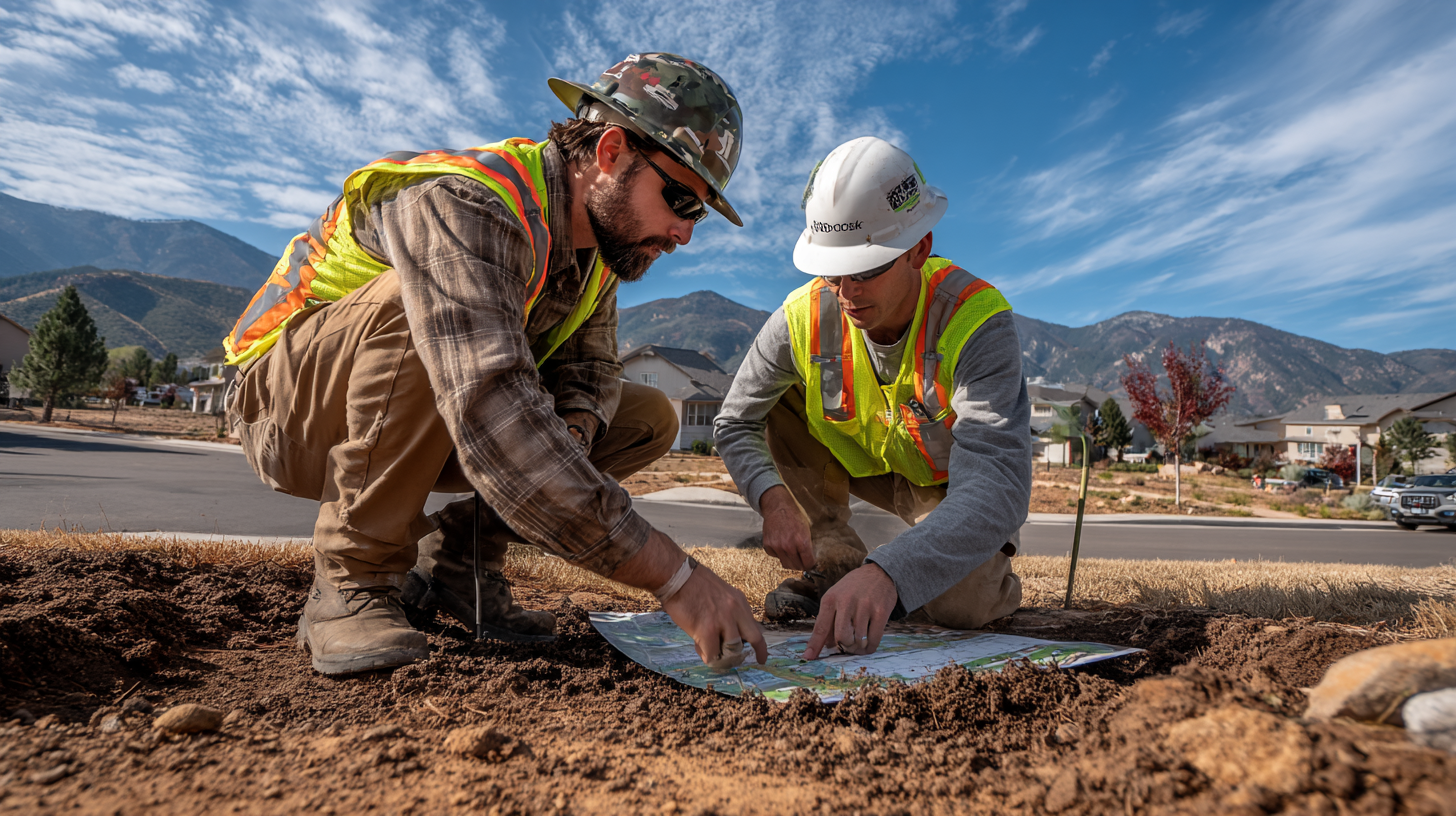
The first step in planning a utility-friendly landscape is calling 811 at least three business days before any digging so your underground lines get marked at no cost to you. This free service uses colored flags or spray paint to show you where utilities run. Gas lines get yellow marks, electric lines are red, and water lines are blue. Keep in mind that these markings fade, so do not rely on old flags from a previous project.
Once you know where your lines are, work with your property’s natural layout rather than against it. Use the easement zone as a transition area between different parts of your yard. A gently curving border of low shrubs and perennials can make a utility corridor look like a deliberate design choice rather than a constraint you worked around.
Think about maintenance access when you choose plants and layouts. Utility workers need to get to lines during emergencies and routine work. Avoid thorny plants like barberry or climbing roses in utility areas. They make access difficult and slow down emergency repairs. Stick with plants that can handle occasional foot traffic and equipment.
Our landscape design process for Asheville homes always includes utility location as a first step. For neighbors with landscaping projects in Weaverville NC, we apply the same careful utility assessment. We also weave in sustainable landscaping practices that work with your yard’s existing infrastructure rather than fighting it. When spring arrives and you are ready to get started, our guide to preparing your yard for spring construction walks you through the full process. You can also review all available services on our Reems Creek Outdoors services page.
Shallow-Rooted vs. Deep-Rooted Plants Over Utilities
Not all plants carry the same risk over underground lines. This quick comparison shows you where common options land so you can choose confidently.
| Plant Type | Examples | Root Depth | Safe Over Utilities? |
|---|---|---|---|
| Groundcovers | Creeping phlox, wild ginger, pachysandra | Under 6 inches | Yes |
| Perennials | Hostas, daylilies, coral bells, ornamental grasses | 6 to 12 inches | Yes |
| Small shrubs (under 4 ft) | Spirea, small hydrangeas, native azaleas | 12 to 18 inches | Generally yes |
| Annual vegetables | Tomatoes, lettuce, herbs | Under 12 inches | Yes, with shallow tilling only |
| Large shrubs | Large rhododendrons, forsythia, lilac | 18 to 36 inches | No |
| Ornamental trees | Dogwood, redbud, serviceberry | 24 to 48 inches or more | No |
| Large shade trees | Oak, maple, sweetgum | 36 inches and beyond | No |
| Bamboo | Any variety | Unpredictable, spreads aggressively | No |
Quick Recap
- Call 811 at least three business days before any digging to get your utilities marked for free.
- Shallow-rooted groundcovers, perennials, and small shrubs under four feet tall are safe choices over utility lines.
- Avoid large trees, deep-rooted shrubs, and bamboo anywhere near utility easements.
- Keep all plants and digging at least three feet from gas meters and main gas lines.
- Decorative mulch and river rock are low-maintenance options that still look great and keep utility access clear.
- Permanent structures like sheds, retaining walls, and decks are typically not allowed within utility easements. Check your deed first.
- Utility workers can access easements regardless of what you have planted, so choose plants that can handle occasional disturbance.
- Annual vegetables with shallow roots are generally fine over utilities. Deep-rooted vegetables and aggressive tilling are not.
- A professional landscape plan always starts with utility verification. See our full landscape design process for Asheville homes for details.
- If you want to add hardscape features like a patio or pool deck, check our pool deck and patio combinations guide for ideas that work around site constraints.
Frequently Asked Questions
How deep are most residential utility lines buried in Asheville NC?
Gas lines typically run 18 to 24 inches deep, water lines 24 to 36 inches, and electrical lines 12 to 24 inches depending on local codes. Depths can vary because of soil settling and frost action over time, which is why calling 811 before any digging is essential rather than relying on assumed depth.
Can I plant a vegetable garden over a utility easement?
Annual vegetables with shallow roots are generally safe over utility lines. Tomatoes, lettuce, and herbs work well. Avoid deep-rooted vegetables like carrots and parsnips, and do not till deeper than 8 to 10 inches in the easement zone. Always call 811 first so you know exactly where lines run before you break ground.
What happens if my plants damage underground utility lines?
Property owners are typically responsible for damage caused by their own landscaping choices. That can include expensive repair costs, service interruption fees, and potential liability for neighbors affected by outages. Calling 811 and following easement rules is the best way to protect yourself financially.
Can I add mulch or gravel over a utility easement?
Yes. Decorative mulch, river rock, and gravel are among the best options for utility easements. They look attractive, require minimal maintenance, and do not interfere with underground lines. They also give utility workers easy access if repairs are needed, which can reduce damage to your yard during an emergency visit.
Do I need a permit to landscape over utility lines in Buncombe County?
Planting shallow-rooted plants or adding mulch over a utility easement generally does not require a permit. However, permanent structures like retaining walls, sheds, or fences with deep footings typically require permits and may be prohibited within easement boundaries. Always check your property deed and contact your local municipality before starting any permanent installation.
How far away from a gas line should I keep my plants?
Keep all plants and any hand digging at least three feet away from gas meters and main gas lines. Even though most residential gas lines run 18 to 24 inches underground, frost and soil movement can shift their position over time. When in doubt, call 811 to get the line marked before doing any work nearby.
What if a utility company damages my landscaping during repairs?
Utility companies with easement rights are generally not required to restore landscaping they disturb during legitimate maintenance or emergency repairs. This is one more reason to stick with inexpensive, easy-to-replace plants like groundcovers and perennials over utility easements rather than investing in costly trees or ornamental plantings that could be removed without compensation.
We serve homeowners in Asheville, Weaverville, Hendersonville, and Riceville. Whether you need help planning a landscape that works around your utility lines, want a yard that looks great and stays safe, or are just trying to figure out where to start, we are happy to walk the property with you and talk through your options. Call us at (828) 500-1940 and let’s make your outdoor space work for you.