Key Takeaways
Tree removal isn’t always necessary before landscaping. Smart design works around existing trees when possible, saving money and preserving shade. However, dead, diseased, or poorly positioned trees should go before major landscape projects begin.
- Healthy mature trees add thousands in property value and shouldn’t be removed without good reason
- Dead, diseased, or structurally unsound trees must be removed before any landscape work begins
- Trees too close to planned hardscaping features often need removal to prevent root damage
- Professional assessment helps determine which trees to keep versus remove for your specific project
- Timing matters – remove trees before excavation but after final design approval
When Trees and Landscaping Don’t Play Nice
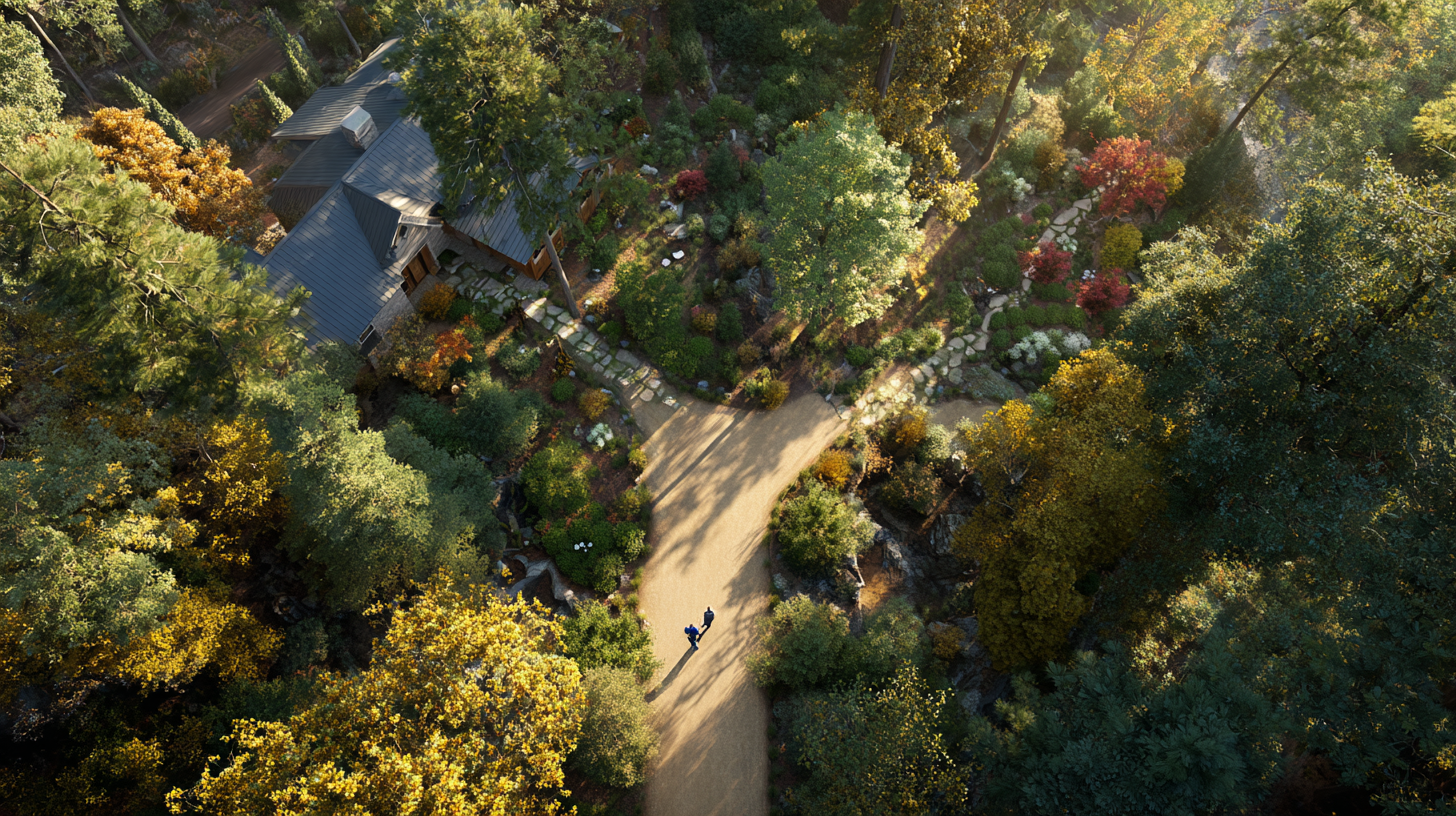
Here’s the thing about trees and landscaping projects – they’re either your best friend or your biggest headache, and there’s not much middle ground. As a locally-owned landscape contractor serving Asheville since 2010, we’ve seen plenty of both scenarios. The mountain terrain around Buncombe County means most properties come with established trees, and deciding what stays versus what goes can make or break your project budget.
Smart tree decisions start with understanding your goals. Are you planning a complete landscape overhaul with new patios and retaining walls? Maybe you’re just refreshing planting beds around existing features. The scope of work determines how trees factor into the equation. A mature oak providing shade over your future patio location might be worth designing around. That half-dead pine leaning toward your house? Different story entirely.
The Keep-or-Remove Decision Matrix
Not all trees deserve the same consideration. Healthy specimens with good structure and positioning often stay, while problematic trees get the boot. Dead or dying trees pose obvious safety risks and should be removed before any landscape work begins. Nobody wants a widow-maker dropping branches on fresh hardscaping or, worse, on people.
Diseased trees present trickier decisions. Some infections can be treated, others spell inevitable decline. Trees showing signs of root rot, significant bark damage, or pest infestations might limp along for years but won’t add value to finished landscapes. We often recommend removal when disease affects more than 30% of the canopy.
Location matters as much as health. Trees positioned too close to planned hardscaping features create ongoing problems. Large tree roots can heave patio stones, crack retaining walls, and clog drainage systems years after installation. The rule of thumb? If mature tree roots will grow within ten feet of planned structures, removal usually makes sense long-term.
Working Around Keeper Trees
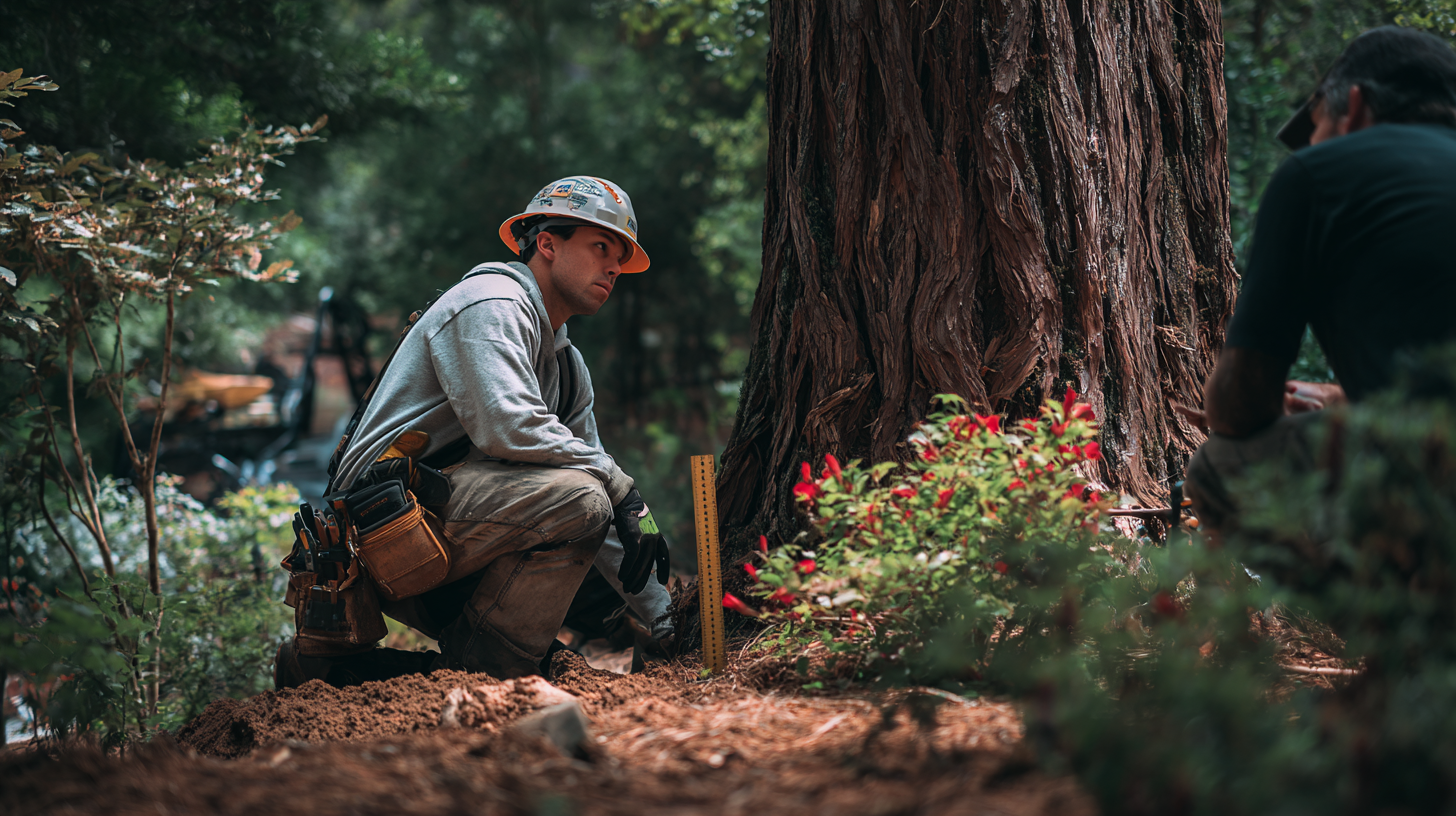
Trees worth saving deserve protection during construction. This means establishing work zones, installing root barriers, and adjusting designs to accommodate existing specimens. Good landscape design flows around mature trees rather than forcing them into awkward positions.
Root protection zones extend well beyond the drip line. We typically establish no-construction areas extending at least six feet beyond the canopy edge for mature trees. Heavy equipment compaction kills roots just as effectively as cutting them. Temporary fencing keeps workers and machinery from damaging trees accidentally.
Design modifications might include curved walkways instead of straight lines, raised planting beds that don’t require root zone excavation, or patio layouts that flow around trunk positions. These adjustments often create more interesting landscapes than cookie-cutter designs anyway. The landscape design process for Asheville homes always considers existing trees as potential focal points rather than obstacles.
Timing Your Tree Removal Right
When you do need to remove trees, timing affects both cost and project flow. Remove trees after finalizing landscape plans but before beginning excavation work. This prevents damage to completed features while ensuring removed trees actually needed to go.
Fall and winter typically offer better pricing for tree removal services since demand drops after storm season. However, some tree species show structural problems more clearly when leafed out, making spring assessment more accurate for borderline cases. When preparing your yard for spring construction, tree assessment becomes a critical first step.
Consider permit requirements for tree removal in your area. Some municipalities regulate removal of trees above certain sizes, especially on steep slopes or in environmentally sensitive areas. Check local ordinances before scheduling removal work to avoid delays or fines.
Sample Scenario: The Problematic Pine
Consider a hypothetical property with a 40-foot white pine positioned fifteen feet from a planned patio location. The tree shows early signs of needle cast disease and leans slightly toward the house due to prevailing winds. Root systems for pines this size typically extend 25-30 feet from the trunk.
Analysis suggests removal makes sense. The disease will likely worsen over time, the lean creates long-term safety concerns, and roots will definitely interfere with patio installation and drainage. The homeowner saves money removing the tree before patio excavation begins, rather than working around it now and dealing with problems later.
Alternative scenarios might favor keeping the tree. If the pine were healthy, positioned 25+ feet from planned features, and provided valuable shade or screening, design modifications could accommodate its presence while preserving the benefits. This is especially important when considering landscaping before selling a house, as mature trees significantly impact property value.
Professional Assessment Makes the Difference
“Tree preservation versus removal decisions require understanding both the tree’s condition and the project’s requirements,” says certified arborist Maria Rodriguez, who consults on landscape projects throughout Western North Carolina. “Homeowners often focus on the immediate cost of removal without considering long-term maintenance and replacement expenses.”
Professional evaluation considers factors homeowners might miss. Structural issues, root system health, species-specific growth patterns, and compatibility with planned landscape features all influence the keep-or-remove decision. A qualified arborist can assess tree health and structural integrity, while experienced landscape contractors understand how trees interact with hardscaping over time. Understanding the science behind tree biology helps inform these critical decisions.
“We see a lot of projects where trees were preserved for emotional reasons but created ongoing maintenance headaches,” notes landscape contractor Jeff Thompson, who has worked in the Asheville area for over fifteen years. “Sometimes the kindest long-term decision for both the property and the tree is removal and replacement with better-suited species. Consider consulting our Blue Ridge landscaping tips for mountain properties when planning your project, and explore options like safe planting near utility lines to avoid future complications.”