Key Takeaways
Pool deck and patio combinations create seamless outdoor living spaces when designed for Western North Carolina’s clay soil and mountain terrain, requiring proper drainage and materials that handle freeze-thaw cycles.
- Material selection must account for Asheville’s wet winters and temperature swings
- Proper drainage prevents water damage and ice formation around pool areas
- Multi-level designs work best with mountain lot slopes and terrain changes
- Safety features like non-slip surfaces become critical near water
- Professional site prep addresses clay soil expansion issues before installation
Why Pool Deck and Patio Combinations Make Sense Here
Pool deck and patio combinations solve a common problem we see around Asheville. You’ve got a beautiful pool, but where do guests actually hang out? A basic concrete deck around your pool feels cramped and institutional. Add a connected patio space, and suddenly you’ve got room for outdoor dining, lounging areas, and actual entertaining.
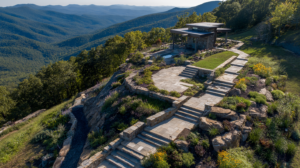
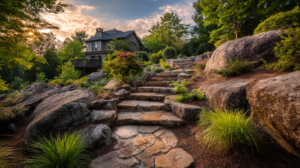
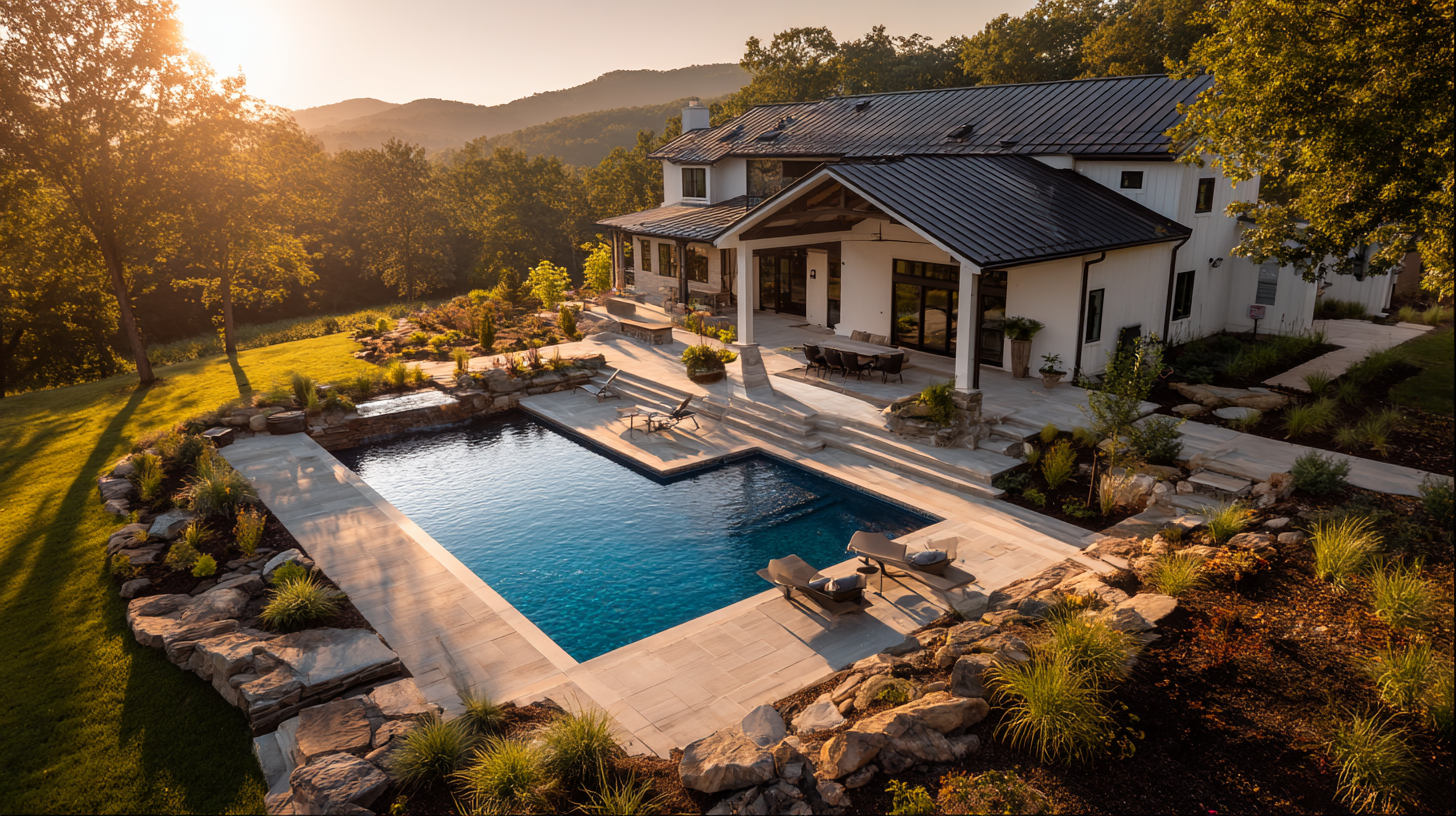
The trick is designing these spaces to work with our mountain terrain. Most Asheville lots aren’t flat suburban rectangles. You’re dealing with slopes, mature trees, and clay soil that shifts with seasonal moisture. Smart pool deck and patio combinations use these challenges as design opportunities. A stepped patio can follow your lot’s natural grade. Retaining walls create usable flat space while managing drainage. The key is thinking beyond just the pool itself to create outdoor rooms that flow together.
Material Choices That Handle Mountain Weather
Not every material works well in Western North Carolina’s climate. We see pool decks crack and patio pavers shift when contractors use materials meant for milder regions. Asheville’s freeze-thaw cycles are no joke. Water gets into small cracks, freezes, expands, and creates bigger problems by spring. For more information on freeze-thaw cycles and their impact on outdoor surfaces, see United States Geological Survey.
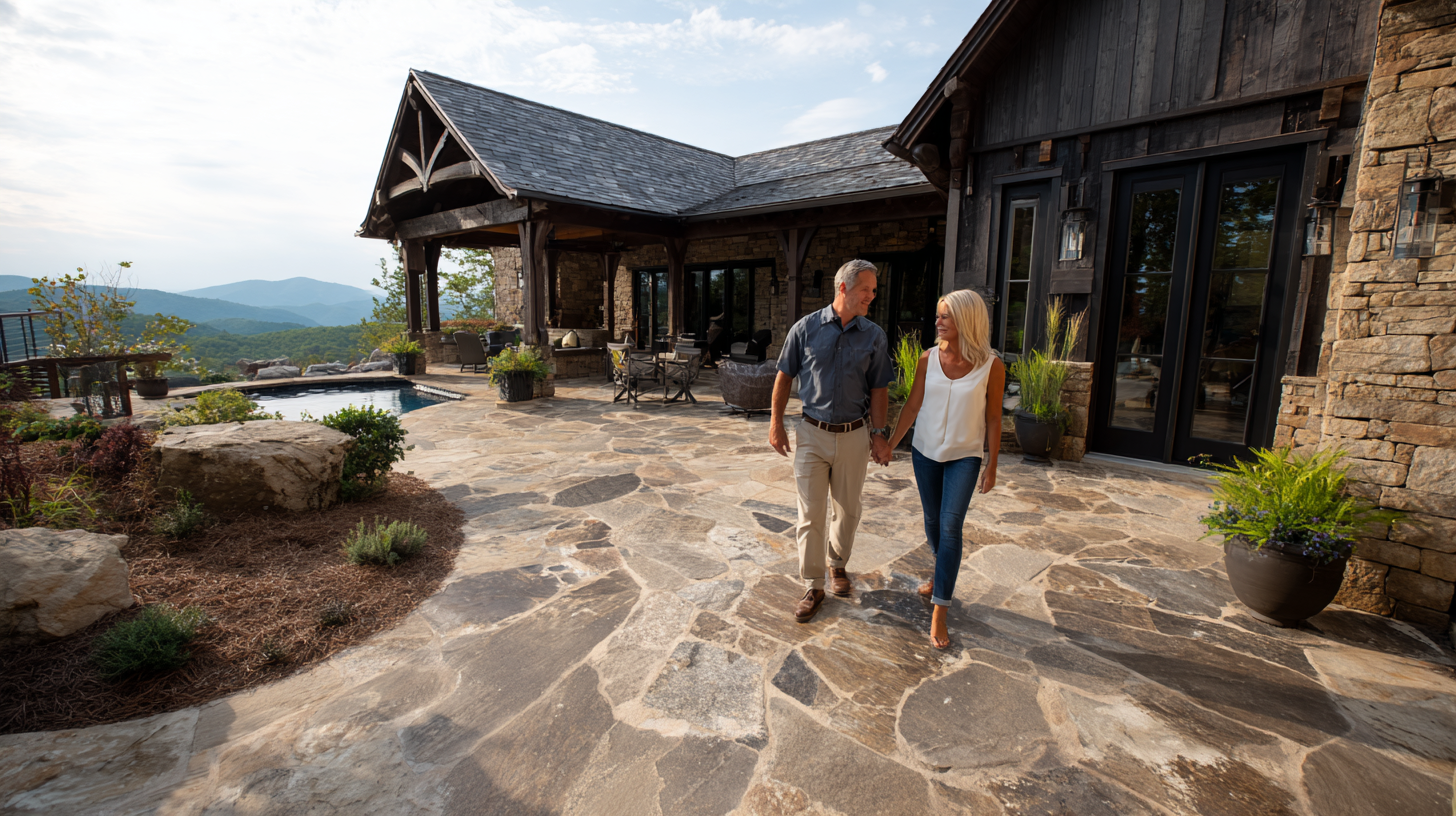
Natural stone like bluestone or Pennsylvania flagstone handles temperature swings better than concrete. These materials expand and contract more gradually. For pool deck areas where slip resistance matters most, we often recommend textured concrete with integrated drainage channels. The slight texture provides grip when wet, while channels direct water away from walking surfaces.
When choosing between flagstone vs slate outdoor flooring, consider both performance and aesthetics for your specific application. Clay pavers and natural stone pavers both perform well locally, though installation details matter. Proper base prep and edge restraints prevent the shifting issues that plague quick-install jobs.
Drainage Design That Actually Works
Pool areas generate lots of water. Splash-out, deck drains, and mountain rainfall all need somewhere to go. Poor drainage around pool deck and patio combinations creates standing water, ice hazards, and foundation problems. We’ve seen expensive hardscaping projects fail because drainage was an afterthought.
Effective drainage starts with understanding your lot’s natural water flow. Where does runoff go during heavy rains? How does water move across your property? Smart pool deck design works with these patterns instead of fighting them. French drains, channel drains, and properly graded surfaces direct water to appropriate outlet points. The Environmental Protection Agency provides guidance on proper stormwater management.
Clay soil around Asheville makes drainage even more critical. Clay doesn’t absorb water quickly, so surface runoff becomes the primary concern. When landscaping over utility lines, proper grading ensures water moves away from pool areas and doesn’t pool against your home’s foundation. During our landscape design process for asheville homes, drainage planning comes first, aesthetics second.
Creating Functional Zones Within Your Space
The best pool deck and patio combinations create distinct areas for different activities. You want space for swimming and pool activities, but also dining areas, conversation spots, and maybe a grilling zone. Each area needs different considerations for materials, furniture, and access.
Pool deck areas require slip-resistant surfaces and easy maintenance. Patio dining areas benefit from level surfaces that accommodate tables and chairs comfortably. Lounge zones can use softer materials and more decorative elements. For safety considerations around pool areas, consult resources from OSHA (Occupational Safety and Health Administration). For evening gatherings, consider fire pit installation areas that need heat-resistant materials and proper clearances from structures.
Multi-level designs work particularly well on sloped Asheville lots. Upper patio areas can provide views over the pool and landscape, while lower pool deck areas keep the focus on water activities. Consider walkway lighting vs string lights to create ambiance while providing safe navigation between different zones. Steps and retaining walls between levels create natural boundaries between different zones while managing elevation changes.
Frequently Asked Questions
What’s the best material for pool decks in Asheville?
Textured concrete and natural stone perform best with our freeze-thaw cycles. Both provide slip resistance when wet and handle temperature changes better than smooth concrete or basic pavers.
How much space should I plan between pool and patio areas?
Minimum 4 feet around pool perimeter for safety, though 6-8 feet feels more comfortable for furniture and foot traffic. Patio areas work best when they’re at least 12×12 feet for dining or conversation zones.
Do I need permits for pool deck and patio combinations?
Generally no for basic hardscaping, but check with Buncombe County if you’re adding structures, electrical, or significant grading work. Pool installations require separate permits regardless of deck materials.
When’s the best time to install pool deck and patio combinations?
Late spring through early fall provides optimal conditions. Avoid winter installation when freeze-thaw cycles can affect curing concrete and base materials. Plan installations after preparing your yard for spring construction.
How do you handle drainage around pools on sloped lots?
French drains, channel drains, and proper grading direct water downhill and away from structures. Clay soil requires more aggressive drainage solutions than sandy soils found in other regions.
What’s the typical cost range for these projects?
Basic pool deck and patio combinations start around $8,000-12,000 for simple designs. Complex multi-level projects with retaining walls and premium materials can reach $25,000-40,000 depending on site conditions and scope.
Should existing decks be refinished before adding patio areas?
Yes, especially wooden decks that connect to new hardscaping. Consider deck staining and sealing services to protect wood surfaces and create cohesive appearance with new materials.
How long do pool deck and patio installations typically take?
Simple projects take 5-10 days depending on weather and site prep requirements. Complex installations with extensive grading, retaining walls, or challenging access can extend to 3-4 weeks for completion.
Get Your Pool Area Ready for Summer Entertaining
Pool deck and patio combinations transform basic pool areas into true outdoor living spaces. The right design handles our mountain terrain while creating functional zones for swimming, dining, and relaxation. Materials that work with Asheville’s climate ensure your investment lasts through seasonal changes and heavy use. For additional information on outdoor design and safety, visit National Institutes of Health for health and wellness considerations in outdoor spaces.
Whether you’re planning a simple deck extension or a complete outdoor entertainment area, professional design and installation make the difference between a project that works and one that disappoints. We’ve been creating outdoor spaces around Asheville since 2010, and we know what works with local soil, climate, and terrain challenges.
Ready to make your pool area the center of summer fun? Call us at (828) 500-1940.
“`