Key Takeaways
Getting your Asheville yard ready for spring construction means working around clay soil, mountain drainage challenges, and frost patterns unique to Western North Carolina. Proper preparation saves time, money, and prevents costly delays.
- Clay soil needs assessment before any construction begins
- Drainage evaluation prevents water damage to new structures
- Frost line considerations affect timing and foundation work
- Site access planning protects existing landscaping
- Permits and utility marking required before ground breaking
Understanding Asheville’s Unique Construction Challenges
Spring construction in Asheville isn’t the same as building anywhere else. Our clay-heavy soil, mountain terrain, and unpredictable freeze-thaw cycles create specific challenges that catch unprepared homeowners off guard. The good news? Proper yard preparation sets your project up for success instead of setbacks.
Clay soil dominates most Asheville properties, expanding when wet and contracting during dry spells. This movement affects everything from patio foundations to retaining wall stability. Add in our mountain drainage patterns and seasonal frost penetration, and you’ve got conditions that require local expertise to navigate properly.
Smart preparation starts with understanding what you’re working with. That beautiful mountain lot comes with engineering realities most contractors from flatter regions don’t anticipate. We’ve been handling these conditions since 2010, and preparation makes the difference between projects that last decades and ones that need repairs within years.
Soil Assessment and Site Preparation
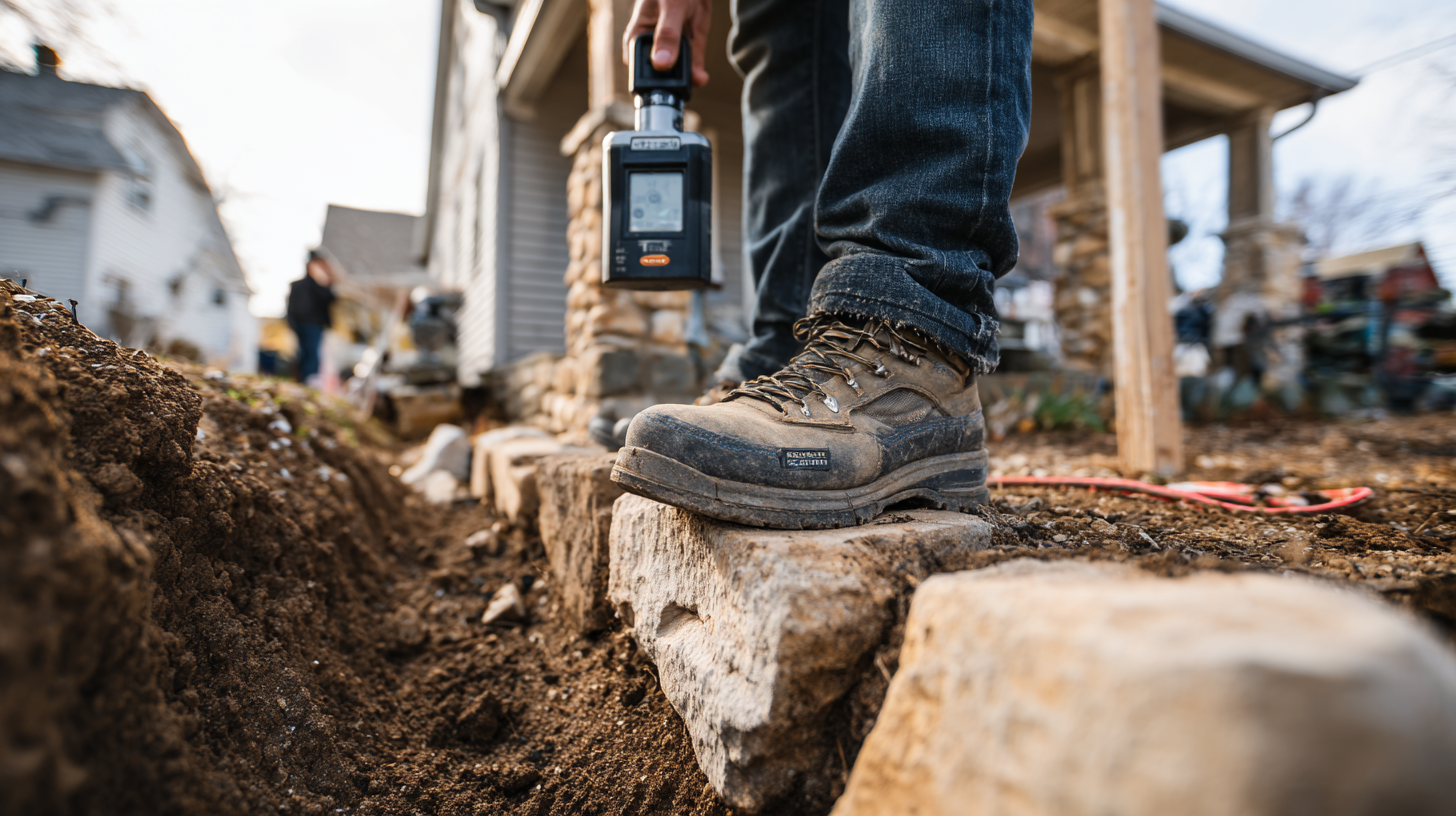
Clay soil testing comes first, always. You can’t plan construction without knowing your soil’s composition, drainage capacity, and seasonal behavior patterns. We test multiple spots across construction areas because soil conditions vary dramatically even within single properties. For detailed information about soil composition and testing standards, consult OSHA’s guidelines on site safety and soil assessment.
Compaction testing reveals how your soil handles weight loads from equipment, materials, and finished structures. Clay that seems solid in February might turn into a muddy mess during March rains. Equipment access routes need planning to protect existing landscaping while ensuring construction crews can work efficiently.
Site grading evaluation identifies natural drainage patterns and potential problem areas. Water flows differently on mountain lots compared to flat suburban properties. Understanding these patterns before construction prevents expensive drainage solutions later. Our landscape design process for Asheville homes always includes comprehensive drainage analysis because water management affects every outdoor project.
Timing and Weather Considerations
Spring weather in Western North Carolina changes fast. Sunny 65-degree days turn into 35-degree nights with frost warnings. This temperature swing affects soil conditions, material delivery schedules, and construction timelines in ways that surprise homeowners used to predictable weather patterns. The EPA provides resources on environmental site assessment and weather impact planning.
Frost line depth in Asheville typically extends 12 to 18 inches below ground surface. Foundation work, utility trenching, and hardscaping installations must account for this depth to prevent frost heave damage. Starting too early risks working with frozen ground that delays progress and increases costs.
Construction material scheduling requires weather flexibility. Concrete pours need consistent temperatures, while soil work becomes impossible during heavy rain periods. We track local weather patterns and plan material deliveries around Asheville’s notorious spring weather variability. Flexibility in scheduling prevents rushed decisions that compromise quality.
Protecting Existing Features During Construction
Construction zones turn into controlled chaos fast. Heavy equipment, material deliveries, and crew movement can damage established landscaping, existing structures, and underground utilities without proper protection planning.
Tree protection requires physical barriers around root zones and crown areas. Construction equipment compacts soil around tree roots, cutting off oxygen and water access that trees need to survive. Mature trees represent significant property value that’s impossible to replace quickly. If you’re unsure whether existing trees should stay, consider our guide on whether to remove trees before landscaping before construction begins.
Existing hardscaping like patios, walkways, and retaining walls need assessment for construction impact. Vibration from heavy equipment can crack existing concrete or shift previously stable walls. If you’re planning to refresh existing features anyway, consider our deck staining and sealing services to coordinate timing with new construction work.
Underground utility protection prevents expensive accidents and service interruptions. Gas lines, electrical connections, and water supplies require professional marking before any excavation begins. Our guide on whether you can landscape over utility lines explains safe practices around these critical connections.
Frequently Asked Questions
When should I start preparing my yard for spring construction?
Start preparation in late February or early March, depending on ground conditions. Soil needs to thaw completely but shouldn’t be muddy from spring rains. This timing allows proper assessment without weather delays.
How long does yard preparation typically take?
Most residential yard preparation takes 1-2 weeks, including soil testing, utility marking, and site preparation. Complex drainage issues or challenging access might extend this timeline to 3-4 weeks.
Do I need permits for yard preparation work?
Permits depend on scope and location. Grading work, drainage modifications, and utility connections typically require permits in Buncombe County. For information about construction safety and compliance standards, review NIH resources on health and safety in construction environments. If you’re planning deck construction, our HOA approval process for deck installation guide covers important regulatory requirements.
Can I do yard preparation myself?
Basic cleanup and planning you can handle yourself. Soil testing, drainage assessment, and utility marking require professional equipment and expertise. DIY preparation often misses critical issues that cause expensive problems later.
What happens if we discover drainage problems during preparation?
Drainage issues get addressed before construction begins. Fixing drainage problems after construction costs significantly more than handling them during preparation. We design solutions that work with your construction timeline.
How do I protect my existing landscaping during construction?
Physical barriers, designated equipment routes, and clear communication with construction crews protect existing features. Professional preparation includes protection planning that prevents accidental damage to valuable landscaping.
Should I test for radon before construction begins?
Yes, especially for basement or foundation work. Construction activities can affect radon levels in existing homes. Our radon testing services provide baseline measurements before construction begins.
What’s the biggest mistake homeowners make with construction preparation?
Underestimating Asheville’s unique soil and drainage challenges. Assuming preparation methods that work elsewhere will work here leads to delays, cost overruns, and structural problems that proper local preparation prevents. Learn more about construction best practices at Wikipedia’s construction overview.
Get Your Construction Project Started Right
Preparing your yard for spring construction sets the foundation for project success. Rushing into construction without proper preparation costs more in delays, repairs, and frustration than investing in thorough preparation from the start. Asheville’s unique conditions require local expertise that understands clay soil behavior, mountain drainage patterns, and seasonal weather challenges that affect construction timelines.
Every successful construction project starts with comprehensive yard preparation. We treat your property like our own, handling every detail from soil assessment to utility protection. Our locally-owned team has handled Asheville construction challenges since 2010, and we know what works in Western North Carolina conditions. Call us at (828) 500-1940.
“`
Protecting Your Existing Landscaping During Construction
One of the biggest concerns for Asheville homeowners is preserving their established gardens and mature trees during spring construction projects. Before work begins, create physical barriers around valuable plants using temporary fencing or burlap screens. For trees within 10 feet of construction zones, install protective fencing at the drip line to prevent soil compaction around root systems. Mark sprinkler heads, underground utilities, and delicate perennial beds with bright flags so contractors can easily identify and avoid these areas.
Consider relocating smaller plants and shrubs to a temporary holding area if they’re directly in the construction path. Many native Asheville plants like rhododendrons and mountain laurel can be successfully transplanted if done carefully in early spring. Water relocated plants regularly and provide shade cloth during the adjustment period. For irreplaceable specimens, hire a certified arborist to oversee protection measures. Document your landscape with photos before construction begins for insurance purposes and to guide restoration efforts once the project is complete.