Key Takeaways
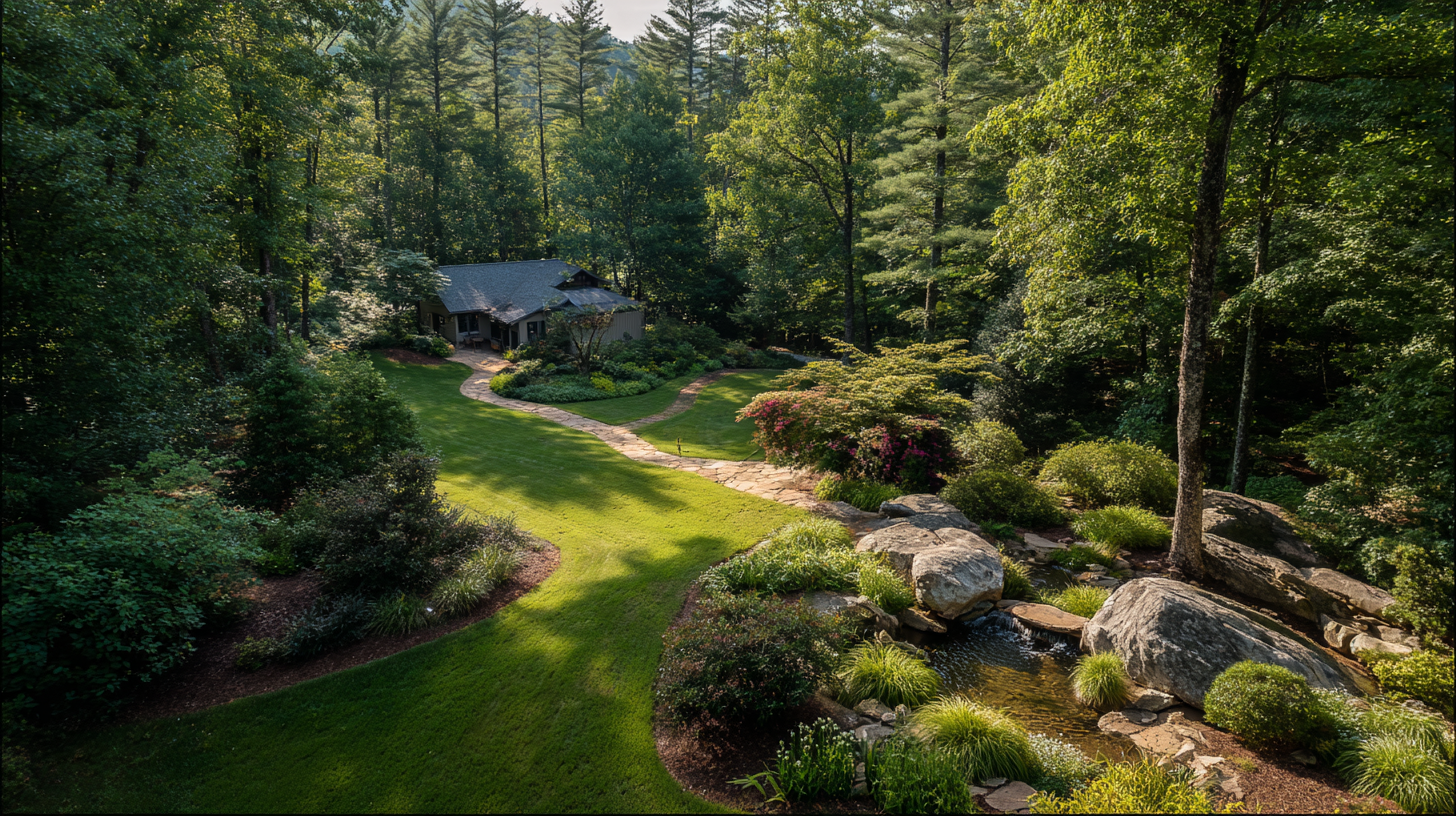
Yes, you can landscape around septic systems, but it requires careful planning to avoid damaging underground components while creating beautiful outdoor spaces that work with your system’s needs.
- Plant shallow-rooted vegetation at least 10 feet from septic tanks and drain fields
- Avoid heavy hardscaping or structures directly over septic components
- Choose native Asheville plants that thrive in septic-friendly soil conditions
- Maintain clear access paths for future septic inspections and pumping
- Work with professionals who understand both landscaping and septic system requirements
Understanding Your Septic System Layout First
Before you plant a single flower or lay one paver stone, you need to know exactly where your septic components live underground. Most Asheville homes with septic systems have three main parts: the tank (usually 8-12 feet from your house), the distribution box, and the drain field (also called a leach field). That drain field can stretch 50-100 feet depending on your soil type and system size.
Here’s the thing about our mountain clay soil – it makes septic systems work harder than they would in sandy areas. Your drain field needs every inch of space to properly filter wastewater. When you landscape without knowing these boundaries, you risk compacting soil that needs to breathe or damaging pipes that cost thousands to repair.
Call 811 before any digging project. They’ll mark utilities for free, but septic system locations usually require a separate call to your septic company or a quick check of your home’s original site plan. For more detailed guidance on planning landscape projects safely, see our article on landscaping over utility lines. For regulatory information on septic systems, consult the EPA for guidelines on proper septic system maintenance and landscaping practices.
Safe Landscaping Zones Around Septic Components
Think of your septic system like a sleeping giant – you can work around it, but don’t wake it up. The tank area needs a 10-foot buffer zone where only grass or very shallow-rooted plants should grow. This isn’t just about roots potentially cracking your tank (though that’s a real concern), it’s about maintaining access for pumping every 3-5 years.
Your drain field requires even more respect. This area processes all your household wastewater through soil filtration. Heavy foot traffic, vehicles, or structures can compact the soil and reduce its filtering ability. Stick to lightweight plantings here – native grasses, wildflowers, and small perennials work beautifully without interfering with the system’s function.
The distribution box, that small concrete junction where pipes split toward different drain field sections, needs clear access too. Mark this spot and keep plantings at least 5 feet away. You’ll thank yourself when maintenance time comes and workers don’t have to hack through your prize hostas to reach it.
Best Plants for Septic-Safe Landscaping
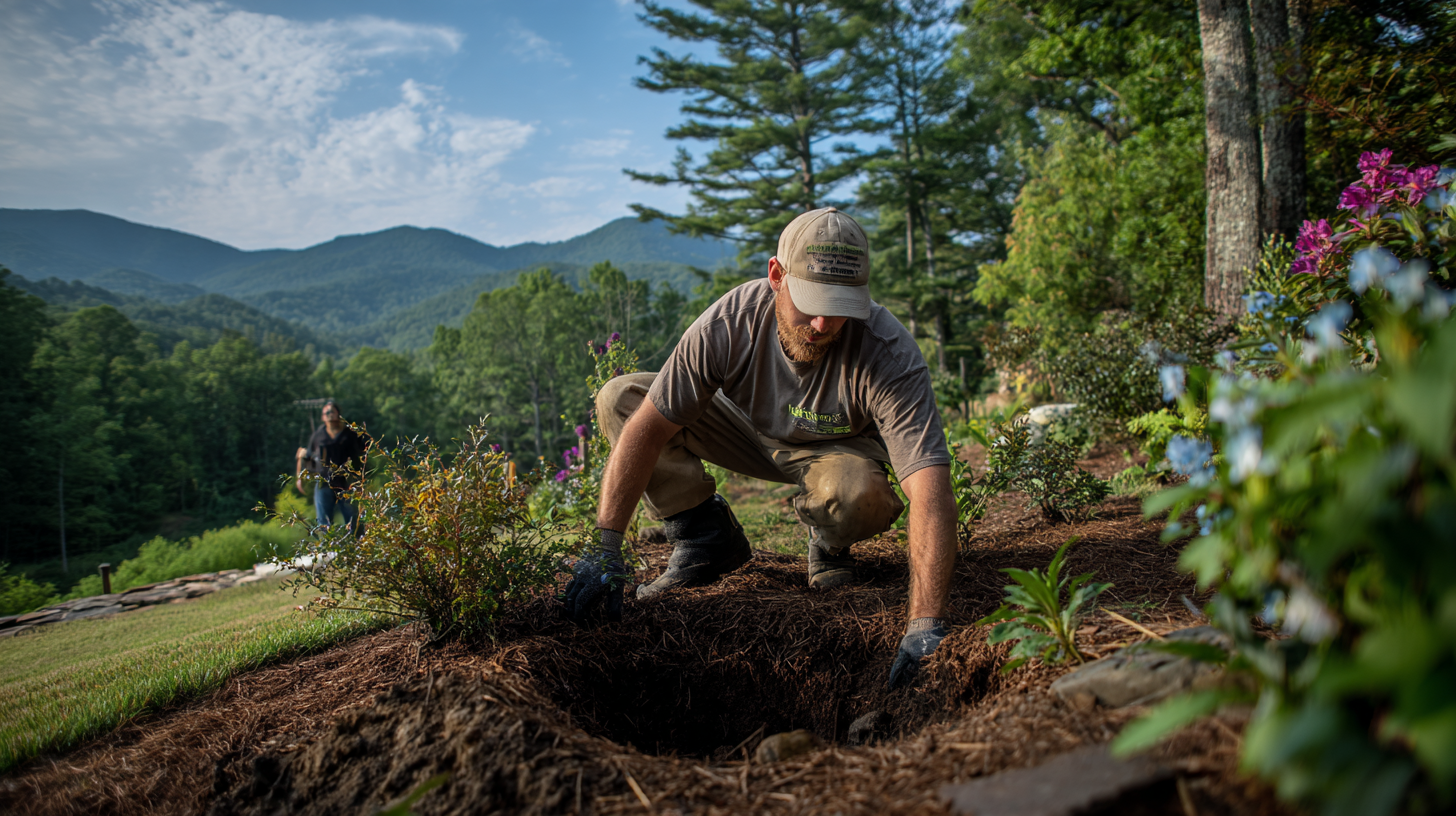
Native Asheville plants often make the best septic companions because they’ve adapted to our local soil conditions and seasonal patterns. Shallow-rooted options like wild bergamot, black-eyed Susan, and native grasses create beautiful displays without sending aggressive roots toward your underground infrastructure. For comprehensive guidance on plant selection, check out our guide on choosing the right plants for your Asheville garden.
Avoid plants with extensive root systems or high water needs. Trees like willows, poplars, and maples can send roots 50+ feet searching for water and nutrients – exactly what your septic system provides. If you’re wondering about existing trees on your property, our article on whether to remove trees before landscaping provides helpful insights.
Consider the practical side too. Plants that drop lots of leaves or fruit near your tank access point create maintenance hassles. Choose low-maintenance options that look good year-round without requiring frequent cleanup over sensitive septic areas.
Dr. Sarah Mitchell, a soil scientist at NC State University, explains: “Septic drain fields actually provide excellent growing conditions for many plants due to the consistent moisture and nutrients, but homeowners need to choose species that won’t exploit these benefits at the system’s expense.”
Hardscaping Considerations and Restrictions
Heavy hardscaping over septic components is generally a no-go, but that doesn’t mean you can’t create beautiful outdoor living spaces nearby. Patios, retaining walls, and walkways can work beautifully when properly positioned to complement rather than compete with your septic system. For inspiration on outdoor hardscape features, explore our hardscaping ideas to enhance your outdoor living space.
Focus hardscaping efforts in areas at least 15-20 feet from drain field edges. This gives you room for creative landscape design while respecting septic boundaries. Consider elevated decks over sensitive areas rather than ground-level structures that require deep footings.
Permeable materials like gravel or permeable pavers compared to traditional materials can work closer to septic areas than solid concrete, but still require careful placement. The goal is maintaining natural water infiltration patterns that your septic system depends on. The OSHA website provides safety guidelines for any excavation or ground work projects.
Remember that any structure over septic components complicates future maintenance. Tank pumping requires heavy truck access, and drain field repairs might need excavation. Plan your hardscaping to enhance rather than hinder these practical requirements.
Working with Professional Landscape Designers
Smart septic landscaping requires balancing aesthetics with system functionality – exactly the kind of challenge that benefits from professional guidance. Experienced landscape designers understand how to create beautiful outdoor spaces while respecting underground infrastructure.
At Reems Creek Outdoors, we’ve designed countless landscapes around septic systems in Asheville’s unique terrain. Our landscape design process always starts with understanding existing infrastructure before proposing any plantings or hardscaping elements.
Professional designers can suggest creative solutions you might not consider. Raised garden beds in safe zones, terraced plantings that work with natural slopes, or strategic placement of outdoor features that draw attention away from restricted septic areas. They also understand local soil conditions, drainage patterns, and plant performance specific to Western North Carolina.
The investment in professional design often pays for itself by avoiding costly mistakes. Damaging septic components during landscaping projects can cost thousands in repairs, plus the hassle of torn-up landscapes and system downtime. For more information on septic system health and maintenance, the NIH and health organizations provide resources on environmental health considerations.
Frequently Asked Questions
How close can I plant trees to my septic tank?
Keep trees at least 25-30 feet from septic tanks and drain fields. Tree roots naturally seek water and nutrients, making your septic system an attractive target. Even slow-growing trees can develop extensive root systems over time that interfere with septic function.
Can I build a deck over my septic drain field?
Elevated decks with minimal ground contact might work, but avoid any structure requiring deep footings over drain fields. The soil in these areas needs to remain undisturbed for proper wastewater filtration. Consult your septic installer and local building codes before proceeding.
What happens if I accidentally damage septic pipes while landscaping?
Damaged septic pipes can cause system backups, environmental contamination, and expensive emergency repairs. Stop work immediately if you suspect damage and contact a septic professional. Prevention through proper planning and careful digging is much cheaper than repairs.
Are there restrictions on lawn mowers over septic areas?
Regular lawn mowers are generally fine over properly installed septic systems. Avoid heavy equipment like riding mowers with attachments or any machinery that might compact soil over drain fields. The goal is maintaining soil structure for proper filtration.
Can I install irrigation systems near my septic tank?
Irrigation lines should be kept separate from septic components to avoid cross-contamination or interference. Plan irrigation zones carefully and mark septic boundaries clearly. Avoid overwatering areas near drain fields, which can overwhelm the system’s capacity.
What about vegetable gardens around septic systems?
Maintain at least 10 feet between vegetable gardens and septic tanks or drain fields. While properly functioning septic systems shouldn’t contaminate surrounding soil, this buffer provides extra protection for food crops. Root vegetables require the most distance from septic systems.