Permeable Paving vs Traditional: Which Works Best for Your Yard
Key Takeaways
Permeable paving lets water soak through while traditional paving blocks it, creating different benefits and challenges for your outdoor spaces.
- Permeable surfaces reduce runoff and help prevent flooding issues
- Traditional paving costs less upfront but may require drainage solutions
- Local soil conditions affect which option works best long-term
- Maintenance needs vary significantly between the two approaches
- Your specific site conditions determine the smartest choice
Understanding Your Paving Options
When you’re planning a new driveway, patio, or walkway, the choice between permeable and traditional paving isn’t just about looks. It’s about how water moves through your property, what maintenance you’re willing to tackle, and how your investment holds up over time. Around here in the mountains, we deal with everything from sudden downpours to freeze-thaw cycles that can make or break your hardscaping choices.
Permeable paving systems allow water to filter through the surface into the ground below, while traditional solid surfaces like concrete or standard asphalt force water to run off somewhere else. That “somewhere else” part is where things get interesting, especially when you’re dealing with sloped lots and clay-heavy soils that don’t play nice with standing water.
How Permeable Paving Actually Works
Think of permeable paving like a really organized sponge. Whether you’re looking at porous concrete, permeable pavers with gaps, or gravel systems, the goal is the same: let water sink in rather than sheet off. The water filters down through the surface, then through a gravel base layer, and eventually into the soil underneath.
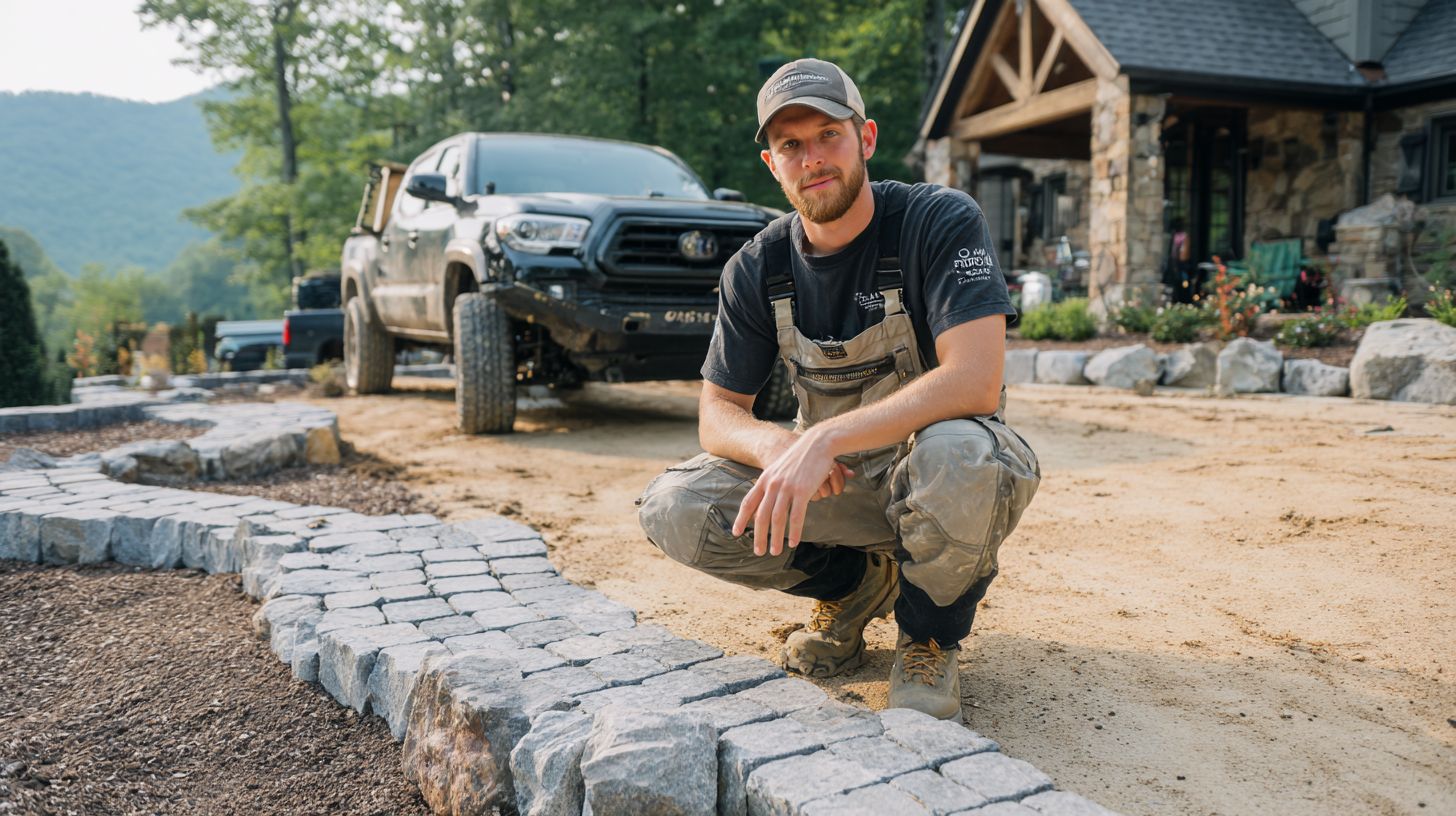
This process happens pretty quickly during normal rainfall, but heavy storms can temporarily overwhelm the system. That’s why proper installation with the right base materials matters so much. We’ve seen plenty of DIY permeable projects that turned into muddy messes because someone skipped the proper foundation work. As our landscape design process always emphasizes, getting the groundwork right prevents headaches later.
Types of Permeable Systems
Permeable pavers with wide joints filled with gravel or sand offer good durability while still allowing water penetration. Porous concrete looks like regular concrete but contains special aggregates that create tiny channels for water flow. Gravel driveways represent the most basic permeable system, though they need regular maintenance to prevent rutting and weed growth.
Traditional Paving Pros and Cons
Standard concrete and asphalt have dominated driveways and patios for decades because they’re predictable, relatively affordable, and can handle heavy loads without breaking down. You know exactly what you’re getting: a hard, smooth surface that sheds water fast and requires minimal day-to-day maintenance.
The catch comes when all that water has nowhere good to go. According to the EPA, traditional impervious surfaces contribute significantly to stormwater runoff problems in developed areas. On sloped properties, this can mean erosion issues, overwhelmed drainage systems, or water ending up where you don’t want it. We’ve helped plenty of homeowners deal with basement moisture problems that started with poor surface drainage around their homes. For comprehensive solutions, check out our pool deck and patio combinations guide.
When Traditional Makes Sense
Traditional paving still wins in high-traffic areas that need to support heavy vehicles regularly. It’s also the go-to choice when you need a completely smooth surface for accessibility reasons or when local regulations require specific load-bearing capabilities. The upfront cost is usually lower, and finding contractors familiar with standard installation is easier.
Comparing Long-Term Performance
Here’s where things get real about maintenance and durability. Permeable systems need periodic cleaning to prevent the pores from clogging with dirt, leaves, and debris. This might mean pressure washing annually or having the joints between pavers cleaned and refilled every few years. Skip this maintenance, and your permeable surface gradually becomes impermeable anyway.
Traditional surfaces need their own care, including crack sealing, periodic resealing for asphalt, and dealing with drainage issues that crop up over time. Properly installed concrete can last 25-30 years with basic maintenance, while permeable systems typically need more attention but can last just as long when cared for properly. For more information on surface care, see our deck staining and sealing services.
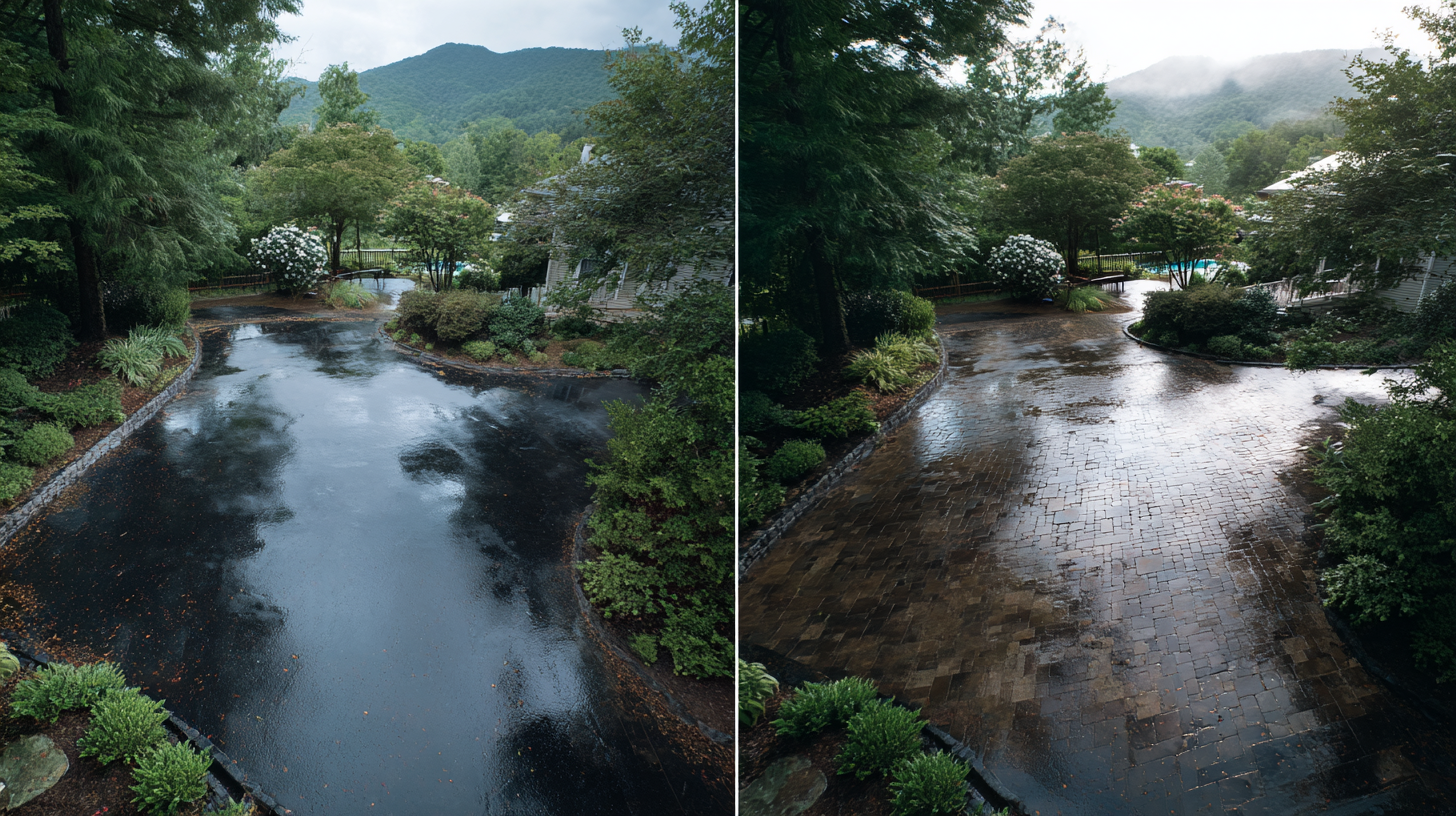
The real performance difference shows up during heavy rain events. We’ve seen traditional driveways that turn into temporary rivers during mountain storms, while well-designed permeable systems handle the same rainfall without sending water rushing toward the house or neighboring properties.
Climate Considerations
Freeze-thaw cycles can affect both systems differently. Traditional concrete and asphalt can crack when water freezes in small gaps, but permeable systems can actually handle freeze-thaw better because water has more places to expand. However, poorly installed permeable systems might develop uneven settling that creates drainage problems. Our guide on preparing your Asheville lawn for winter covers seasonal impacts on outdoor surfaces.
Making the Smart Choice for Your Property
Your soil type, slope, and intended use should drive this decision more than aesthetics alone. Clay soils that drain slowly might not work well with permeable systems unless you install extensive drainage infrastructure underneath. Rocky or sandy soils typically handle permeable paving beautifully. For expert guidance, explore our Blue Ridge landscaping tips.
Consider what you’re really trying to accomplish. If you’re dealing with basement moisture issues or want to reduce runoff for environmental reasons, permeable paving could solve multiple problems at once. If you need the most durable surface possible for heavy vehicle traffic, traditional might be your best bet. For comprehensive outdoor solutions, explore backyard landscaping options in Asheville.
Budget for the total project cost, including any drainage infrastructure you might need. Traditional paving might require additional drainage solutions like French drains or gutters to handle runoff properly. Permeable systems cost more upfront but might eliminate the need for separate drainage projects. Learn more about flagstone vs slate outdoor flooring for additional paving comparisons.
Frequently Asked Questions
Does permeable paving work in winter conditions?
Yes, permeable systems often perform better than traditional surfaces in freeze-thaw cycles because water can expand into the pore spaces rather than creating surface cracks. However, they may need different snow removal techniques to avoid damaging the surface. For more information on winter preparation, check our spring construction preparation guide.
How much more does permeable paving cost?
Permeable systems typically cost 20-40% more upfront than traditional paving, but this doesn’t include potential savings from not needing additional drainage infrastructure or stormwater management features. Compare your options with our natural vs artificial turf comparison for broader outdoor investment decisions.
Can I convert my existing driveway to permeable?
Converting usually requires complete removal of the old surface and proper base installation. For detailed information on landscape modifications, visit our guide on removing trees before landscaping. Learn more about permeable paving from the Wikipedia article on pervious concrete and the CDC resources on environmental health, or consult the NIH for research on stormwater management and its health impacts.