Key Takeaways
TL;DR: Rip rap slope stabilization is one of the most reliable ways to stop erosion on steep, rocky, or water-prone properties in Western North Carolina. The right stone size, proper base prep, and understanding of local soil and drainage make the difference between a fix that lasts and one that washes away in the next hard rain.
- WNC’s clay-heavy soil and steep grades make slopes especially vulnerable to erosion and washout.
- Rip rap uses angular rock to absorb water energy and hold slopes without concrete or chemicals.
- Stone sizing, fabric underlayment, and grading all matter more than most people realize.
- A poorly installed rip rap job can shift, sink, or slide after one good storm season.
- Getting a professional assessment before you start saves you from expensive redo work later.
Why Slopes in Western North Carolina Are Constantly Fighting Erosion
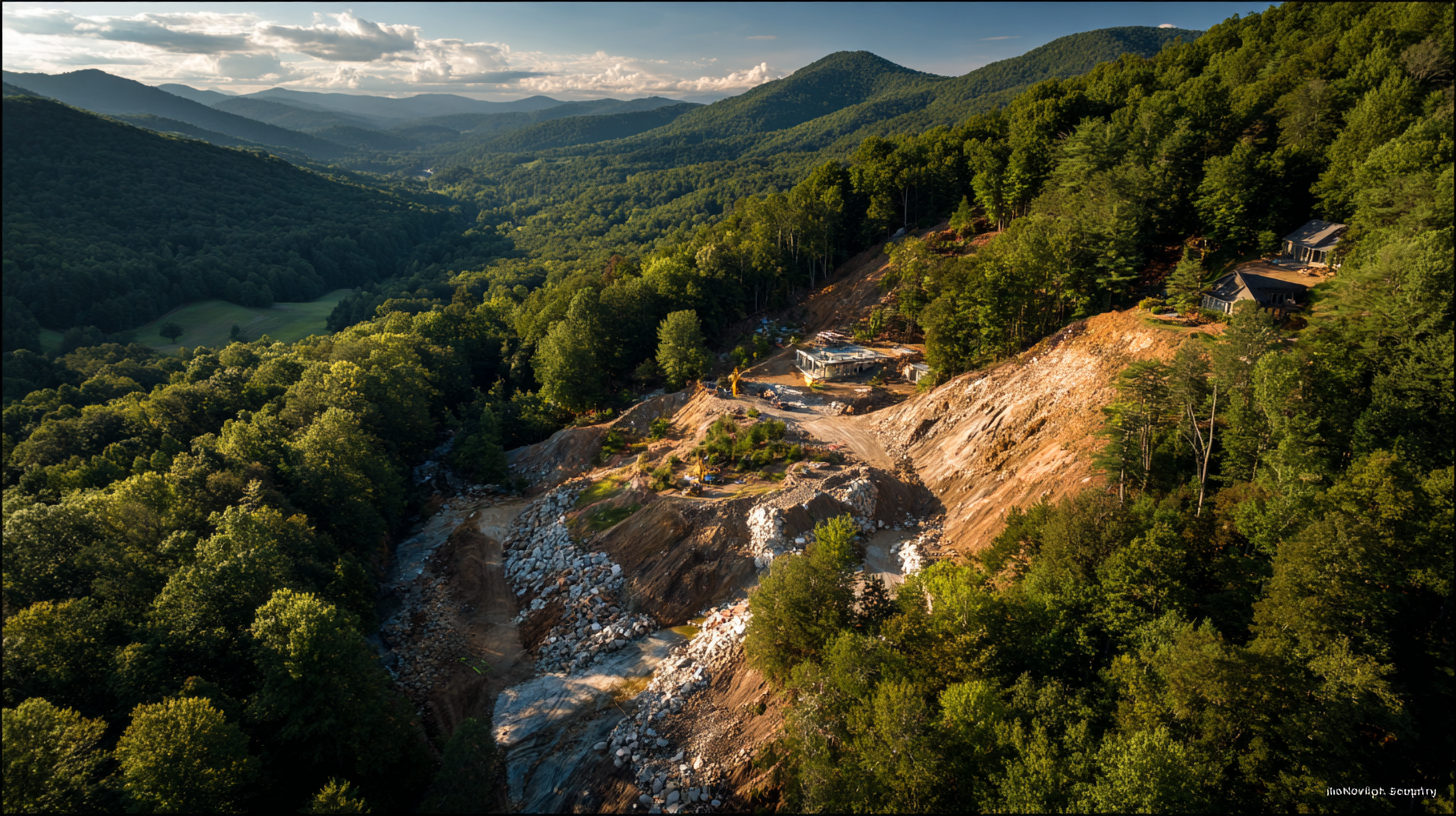
If you’ve owned property in this region for more than a year, you already know what a heavy rain does to a bare slope. Western North Carolina gets between 40 and 60 inches of rainfall annually, and a good chunk of that comes in fast, hard bursts. Combine that with steep mountain grades, clay-heavy subsoil that doesn’t drain well, and you’ve got a recipe for serious erosion problems. Slopes that look stable in July can be actively washing out by October. That’s not a hypothetical. It’s just what happens here, and it’s why rip rap slope stabilization in NC is genuinely one of the most practical solutions for homeowners dealing with this kind of terrain. Understanding the full range of hardscaping ideas for challenging terrain in Asheville can help you see how rip rap fits into a broader property protection strategy. For more information on erosion control and slope management, the EPA provides comprehensive guidance on environmental best practices.
What Rip Rap Actually Is and Why It Works
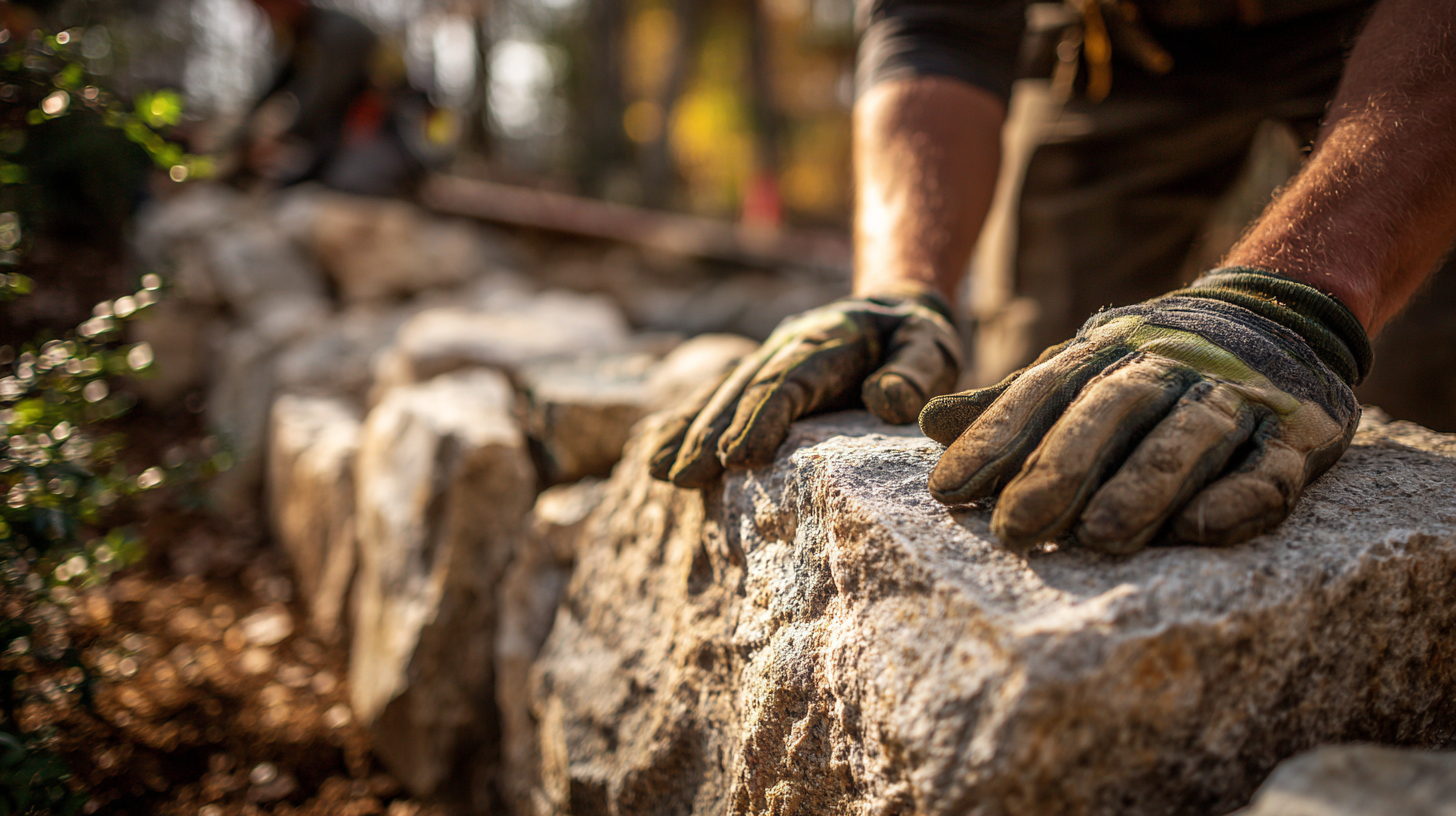
Rip rap is angular, irregular rock placed along slopes, stream banks, or drainage channels to slow water and hold soil in place. Unlike decorative round river rock, rip rap is intentionally rough and jagged so the pieces lock together under pressure. Water hits the surface, loses energy, and filters down through the gaps rather than cutting a path straight through your yard.
It works because of physics, not magic. Water moving fast carries sediment. Slow the water down, and the sediment drops. Rip rap creates friction and surface area that does exactly that. It’s been used on highway embankments, stream banks, and residential slopes all over the country for decades. In mountainous terrain like Buncombe County, where water comes off ridgelines with serious velocity, it’s one of the most dependable armor solutions available. Homeowners dealing with persistent water movement should also explore hillside drainage solutions that Buncombe County homeowners rely on to address the full scope of the problem. The USGS offers technical resources on sediment transport and erosion processes that inform proper slope stabilization design.
Stone Size Matters More Than People Think
A common mistake homeowners make when attempting rip rap work themselves is grabbing whatever rock is available or cheapest. Stone that’s too small shifts. Stone that’s too large leaves gaps that actually accelerate water flow underneath. The right size depends on the slope angle, the expected water velocity, and whether you’re dealing with sheet flow or concentrated channel flow. For most residential slopes in the Asheville area, Class B rip rap in the 6 to 12 inch range is a solid starting point, but steeper grades or active drainage paths may require heavier material.
The Installation Steps That Separate a Good Job From a Disaster
Getting the stone right is step one. Getting everything underneath it right is the whole game. A properly installed rip rap slope starts with grading the surface to a stable angle, usually no steeper than 2:1 for most applications. Then a filter fabric is laid down before any rock goes in. This geotextile layer does two important things: it keeps your native soil from migrating up through the stone over time, and it prevents the rip rap from slowly sinking into soft ground. Skip that step and you’ll be staring at a sunken, lumpy mess within a few years.
Drainage design matters too. If water is being channeled toward the slope from a roof, a driveway, or a natural swale, that flow needs to be addressed before you armor anything. Placing rip rap directly in an unmanaged drainage path without redirecting or controlling the flow is like putting a band-aid over a wound that’s still bleeding. Reviewing your drainage solutions for sloped mountain property before installation is a step that saves significant rework costs. As a local handyman and outdoor services team, we see this mistake repeatedly on properties across WNC. “The most common failure point in any slope stabilization project is underestimating where the water is actually coming from,” says Marcus Webb, a licensed civil engineer with over 20 years of experience in erosion control design. “You can have perfect stone placement and still fail if the drainage hasn’t been addressed upstream.” The OSHA website provides safety guidelines relevant to slope stabilization work for contractors and professionals.
Rip Rap vs. Other Slope Stabilization Options in NC
Rip rap isn’t the only tool for slope stabilization, and it’s not always the right one. For gentle slopes with good soil, native plantings and erosion control matting may be all you need. For retaining walls on moderate grades, dry-stacked or mortared stone can be more attractive and structurally appropriate. Comparing options like permeable paving versus traditional approaches can also inform how you manage water across your entire property. But for areas with active water movement, steep grades over 30 percent, or spots where vegetation alone won’t establish fast enough to prevent washout, rip rap is hard to beat.
It’s also worth noting that rip rap has an aesthetic side. When done well with quality stone that complements your property, it can look intentional and even attractive rather than utilitarian. Many homeowners in the Hendersonville and Weaverville areas use it to create natural-looking stream bed transitions or to define drainage swales through their yards. The key word there is “done well.” Tossed-together rip rap with no fabric, no grading, and the wrong stone looks exactly like what it is: a rushed fix.
“Rip rap installed correctly over a proper filter fabric system can last 25 to 50 years with minimal maintenance,” notes Dr. Angela Torres, a geotechnical engineer and professor at Western Carolina University. “The longevity comes from attention to the base conditions before the first stone goes in.” If you’re making decisions about other outdoor improvements on your property at the same time, it’s worth reviewing insurance considerations for outdoor improvements in Asheville since structural changes to a slope can affect your coverage. Additional information on soil stabilization and best management practices is available through the NIH and related environmental research institutions.
Frequently Asked Questions
How much does rip rap slope stabilization cost in NC?
Costs vary widely depending on slope length, steepness, stone type, and whether drainage work is needed. Residential projects in the Asheville area typically range from a few hundred dollars for small patches to several thousand for longer slope runs. Getting a site assessment before budgeting is the only way to get an accurate number. Material and labor together are what drive the final cost.
Do I need a permit for rip rap installation in North Carolina?
It depends on the location and scope. Work near streams, wetlands, or regulated waterways in North Carolina often requires permits from the NC Division of Water Resources or Army Corps of Engineers. Residential upland slope work typically does not require a permit, but it’s always worth checking with your local county office before you start. Better to ask than to face a stop-work order. For regulatory guidance, consult resources on North Carolina environmental regulations.
Can I install rip rap myself or should I hire a professional?
Small areas on a gentle slope are sometimes DIY-able if you have access to the right stone and equipment. But steep grades, active drainage channels, or large areas really do need professional attention. Improper installation can make erosion worse by creating preferential flow paths under the stone. If you’re not confident in the grading and fabric work, bringing in a pro saves money in the long run.
What type of rock is best for rip rap in Western North Carolina?
Local granite and quartzite are common choices in this region, and they work well. Angular fractured stone holds better than round or smooth material. Locally sourced stone often blends visually with the natural landscape, which matters if aesthetics are a priority. Reviewing how different stone types perform outdoors can help you think through material choices more broadly. Avoid using lightweight or soft stone types that can break down quickly under freeze-thaw cycles, which are very real in WNC winters.
How do I know if my slope needs rip rap or something else?
If you’re seeing active ri