Key Takeaways
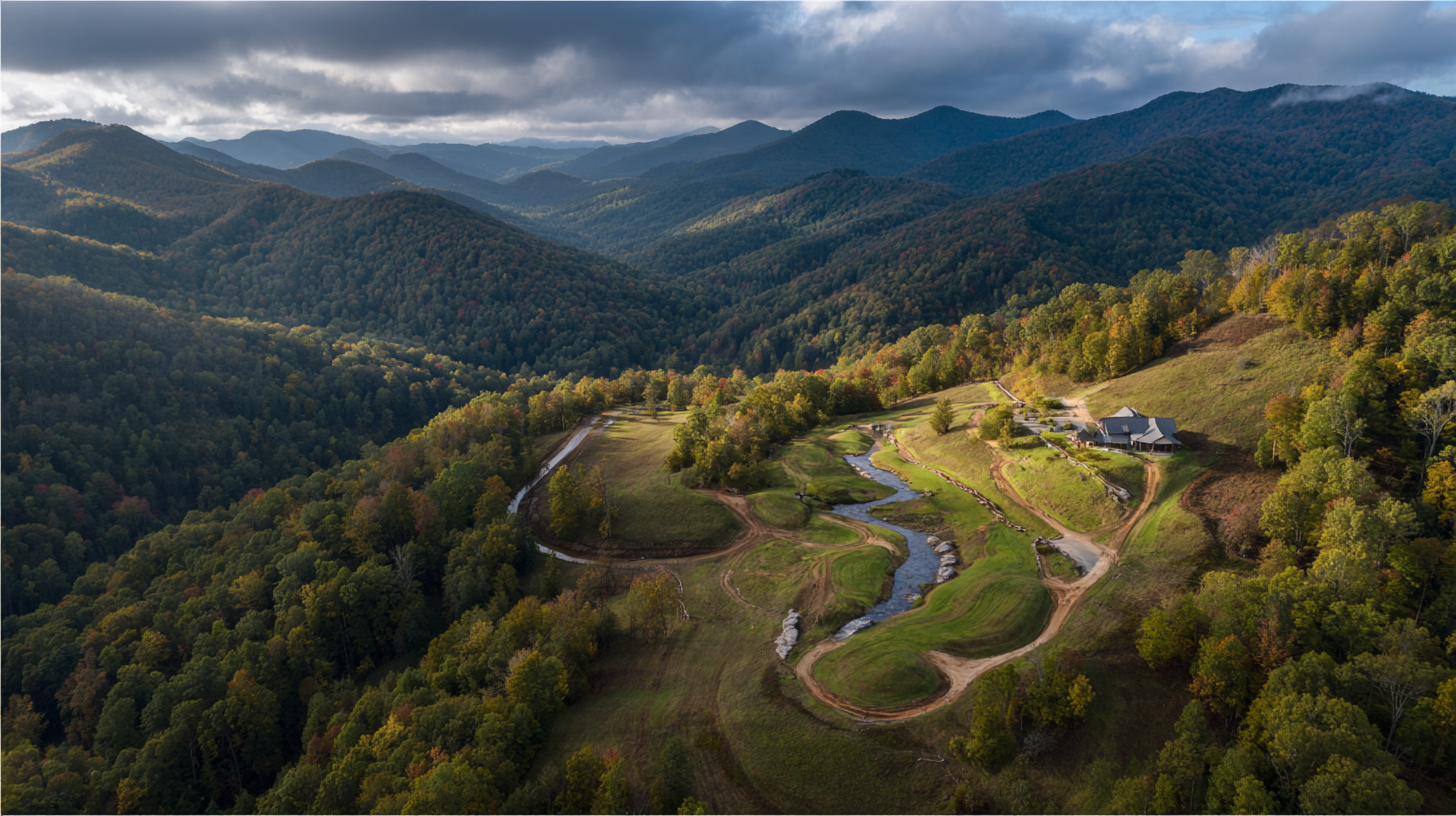
Mountain properties in Asheville face unique drainage challenges due to steep grades, clay soil, and heavy rainfall patterns that can cause serious water damage without proper management systems.
- Clay soil on sloped terrain creates runoff issues that standard drainage methods can’t handle
- French drains and retaining walls work together to redirect water safely downhill
- Professional grading prevents foundation damage and basement flooding
- Proper drainage protects both your home’s structure and landscape investment
- Mountain terrain requires specialized techniques beyond typical residential solutions
Why Mountain Slopes Create Drainage Nightmares
Living on a sloped property in the Blue Ridge Mountains comes with spectacular views and unique challenges. Water doesn’t behave the same way on steep terrain as it does in flat subdivisions. When heavy rains hit Asheville’s mountainous landscape, gravity takes over and sends thousands of gallons rushing downhill toward whatever sits in its path. Your house, driveway, and carefully planted gardens become unwilling participants in nature’s water park.
The clay-heavy soil common throughout Buncombe County makes things worse. Clay acts like a dinner plate under all that rushing water. Instead of soaking in slowly, rainwater sheets across the surface, picking up speed and volume as it flows. We’ve seen properties where a moderate rainstorm turns into a temporary waterfall cascading past the front door. That’s not just inconvenient. It’s expensive. For more information on soil composition and water management, visit the USDA website.
Reading Your Property’s Water Story
Every sloped lot tells a story through its water patterns, and learning to read those signs helps determine the right drainage solutions for your specific situation. Walk your property during and after rain events. Notice where water pools, where it rushes fastest, and where it exits your land. Those wet spots that linger for days? That’s poor drainage. The channel carved into your hillside? That’s erosion doing permanent damage.
Professional drainage design starts with understanding your property’s unique topography and soil conditions. We measure slope percentages, test soil composition, and map existing water flow patterns before recommending solutions. A properly planned project addresses current problems while preventing future issues that less experienced contractors might miss. Learn more about proper drainage techniques from EPA resources on water management.
French Drains: The Mountain Property MVP
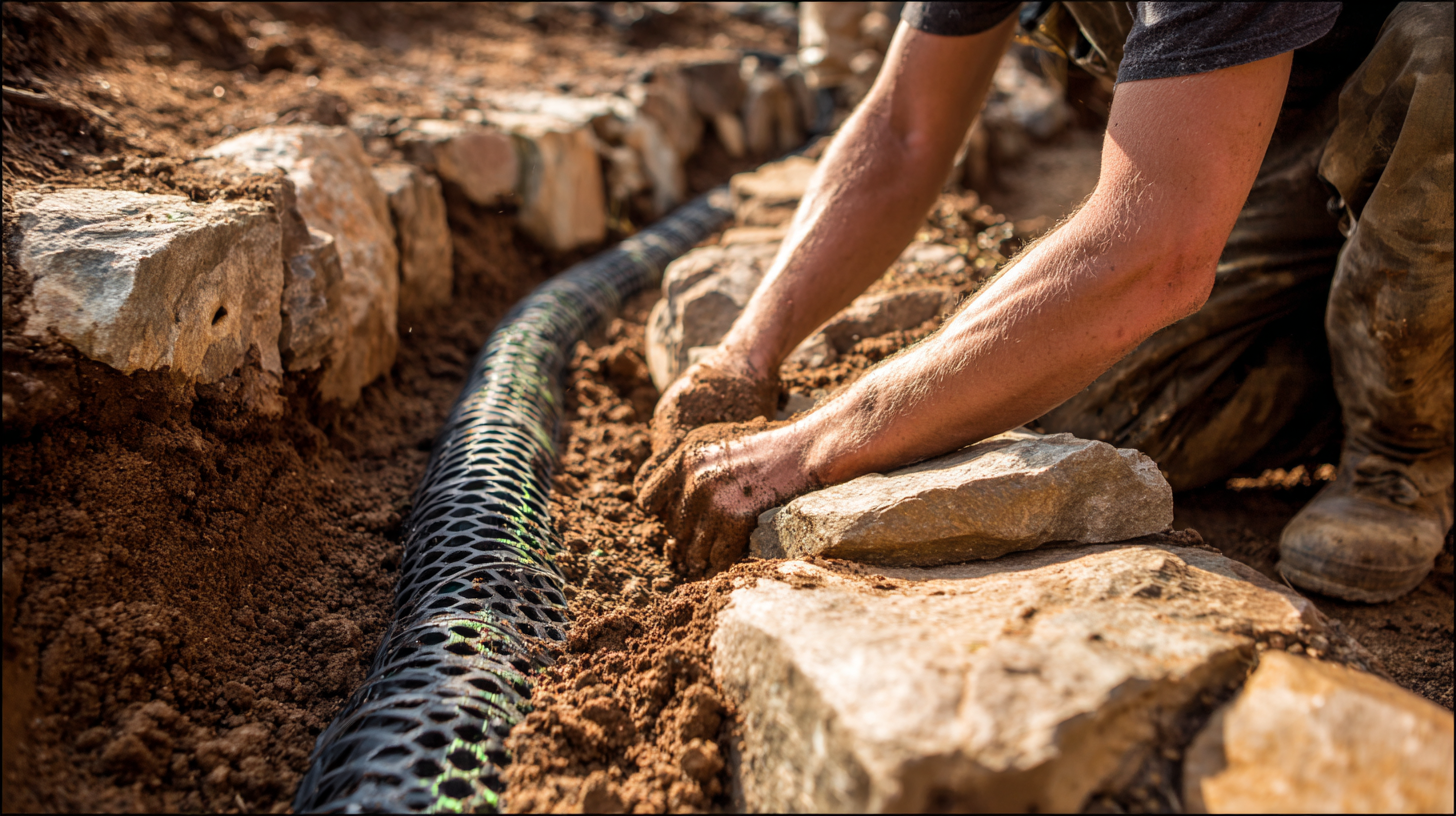
French drains rank as the most effective drainage solution for sloped mountain properties, but they require precise installation to work properly in challenging terrain. These underground systems intercept water before it builds dangerous momentum, channeling it safely to appropriate discharge points away from structures and vulnerable landscape areas.
Mountain french drain installation differs significantly from flat-ground techniques. We account for steeper grades, rocky soil conditions, and seasonal freeze-thaw cycles that can damage improperly installed systems. Proper sizing matters too. A drain that handles moderate rainfall perfectly might overflow during heavy mountain storms if undersized for local conditions. We design capacity based on Asheville’s rainfall data, not generic calculations.
Strategic Placement for Maximum Impact
Intercepting water high on the slope prevents problems lower down. We typically install french drains at natural collection points, property boundaries where water enters from uphill neighbors, and anywhere we observe concentrated flow patterns. Multiple shorter runs often work better than one long drain on steep terrain, providing redundancy and easier maintenance access.
Retaining Walls as Drainage Partners
Retaining walls do more than hold back soil on sloped properties. When designed with proper drainage integration, they become crucial components of comprehensive water management systems. Every retaining wall we build includes drainage provisions, because a wall without drainage becomes a dam that eventually fails catastrophically.
Proper retaining wall drainage requires backfill gravel, drain pipe placement, and weep holes positioned to release water pressure safely. We’ve repaired countless retaining walls that failed because contractors skipped drainage details to save money upfront. Those shortcuts always cost more later when walls crack, lean, or collapse entirely. Quality hardscaping work addresses drainage from the design phase forward. For additional guidance, see OSHA guidelines for landscape construction safety.
Terraced Solutions for Steep Slopes
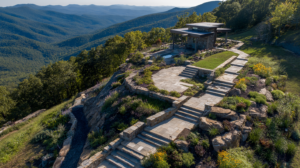
Extremely steep properties benefit from terraced retaining wall systems that break long slopes into manageable segments. Each terrace level includes drainage provisions that prevent water from building momentum as it moves downhill. This approach protects against erosion while creating usable flat spaces for patios, gardens, or lawn areas.
Professional Grading and Surface Management
Strategic grading redirects surface water flow before it becomes problematic, working hand-in-hand with underground drainage systems to provide comprehensive protection. Proper grading creates subtle channels and swales that guide water toward safe discharge points while maintaining attractive landscape appearance.
Mountain property grading requires understanding seasonal water patterns, soil movement, and long-term settling that affects drainage performance over time. We grade for current conditions while anticipating how the landscape will change as new plantings mature and soil naturally compacts. This forward-thinking approach prevents drainage problems before they develop.
Protecting Existing Landscapes
Good drainage solutions work with your existing landscape rather than requiring complete replacement. We design around mature trees, established garden beds, and sensitive areas like septic systems to preserve your property’s character while solving water management issues.
Frequently Asked Questions
How much does professional drainage installation cost for mountain properties?
Costs vary significantly based on slope severity, soil conditions, and system complexity. French drains typically run $15-25 per linear foot, while comprehensive solutions including retaining walls and regrading range from $8,000-$25,000 for most residential properties. Understanding insurance considerations for outdoor improvements can help with project planning and potential coverage.
Can I install drainage solutions myself on steep terrain?
DIY drainage rarely works well on challenging mountain slopes. Improper installation can redirect water toward neighbors’ properties, create new erosion problems, or fail completely during heavy rains. Professional installation includes proper permits and ensures systems meet local building codes.
How long do mountain drainage systems typically last?
Well-designed and properly installed drainage systems last 20-30 years with minimal maintenance. French drains may need cleanout every 10-15 years, while retaining walls with good drainage can last 50+ years.
Will drainage work affect my landscaping plans?
Professional drainage design integrates with landscape goals rather than limiting them. We often combine drainage projects with new landscape installation to create cohesive outdoor improvements that solve multiple challenges simultaneously.
What happens if water drains onto my neighbor’s property?
Drainage design must comply with local ordinances regarding water discharge. We design systems that manage water responsibly, often incorporating on-site infiltration or directing flow to appropriate municipal systems rather than neighboring properties. Understanding safe planting guidelines around utility lines also helps prevent future complications.
Do drainage systems require ongoing maintenance?
Regular inspection and occasional cleanout keep drainage systems working properly. We recommend annual visual checks and professional maintenance every 3-5 years to remove accumulated debris and ensure optimal performance. For additional maintenance guidance, consult NIH resources on environmental health.
Can drainage solutions be installed during winter months?
Ground conditions and weather affect installation timing, though winter planning allows spring installation when conditions improve. Urgent drainage problems sometimes require temporary solutions until permanent work can be completed safely.
How do I know if my drainage problems require professional help?
Standing water near foundations, basement moisture, eroded slopes, or water damage to hardscaping indicate serious drainage issues needing professional assessment. Minor surface puddling might be manageable with simple improvements, but slope-related problems usually require comprehensive solutions. Following Blue Ridge landscaping tips and consulting Wikipedia’s comprehensive drainage overview can provide additional context for your property’s needs.