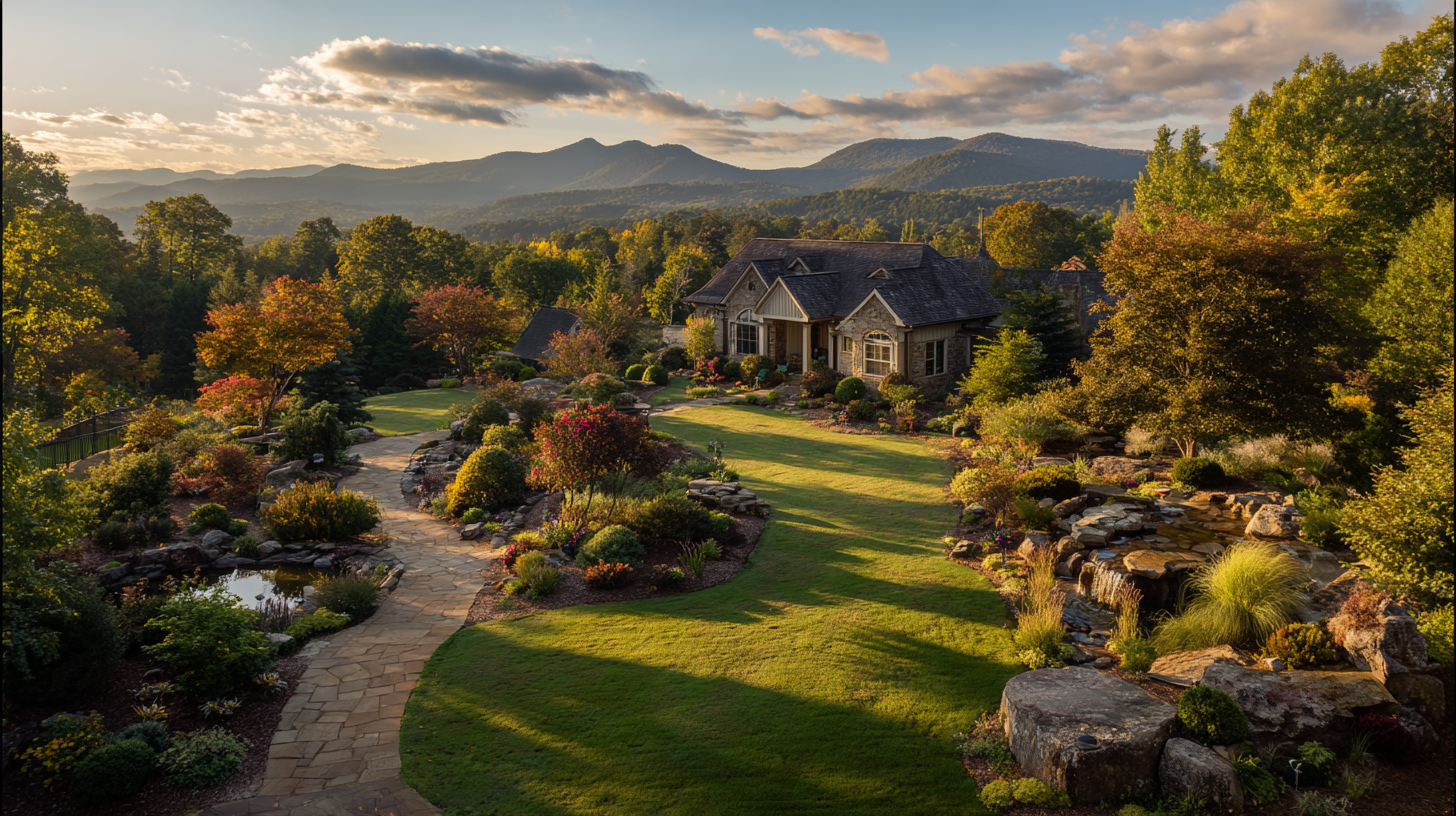
Landscaping Weaverville NC: Mountain-Smart Design That Actually Works
If you’re searching for landscaping in Weaverville NC, you already know your yard isn’t a typical flat suburban lot. Reems Creek Outdoors serves Weaverville, Asheville, Hendersonville, and Riceville, and we treat every yard like it’s our own. We know the clay soil, the steep slopes, and the frost dates that trip up out-of-town contractors every single time.
Key Takeaways
Weaverville’s mountain terrain and clay soil require specialized landscaping expertise that generic contractors often miss. Local knowledge makes all the difference.
- Weaverville sits at roughly 2,200 feet elevation with unique soil conditions and drainage challenges
- Native plant selections perform better than generic landscaping choices in mountain climates
- Proper grading prevents water damage during heavy WNC rainfall seasons
- Year-round planning accounts for frost dates and seasonal maintenance needs
- Local contractors understand HOA requirements and town permitting processes
Why Landscaping Weaverville NC Is Different From Everywhere Else
Weaverville landscaping presents conditions that flat-ground contractors routinely underestimate: elevation around 2,200 feet, clay-heavy soil that shifts between swampy and concrete-hard depending on the season, and drainage patterns that punish anyone who ignores them. If a landscaping crew hasn’t worked these mountain properties before, your yard often ends up paying the tuition for their education.
Weaverville sits north of Asheville with its own frost dates, its own soil composition, and its own water drainage patterns compared to lower parts of WNC. Cookie-cutter landscape companies treat every yard the same way. We don’t. The clay-heavy soil that dominates much of the area can turn into a swamp during spring rains, then bake concrete-hard during summer dry spells. Understanding what kills grass permanently in Asheville clay soil becomes crucial when you’re working with these conditions. Add steep slopes, seasonal freeze-thaw cycles, and the need for native plants that actually belong here, and you’ve got a recipe for an expensive mistake if you hire the wrong team. We’ve learned these lessons the hard way so you don’t have to. For more on mountain soil types, consult USDA resources.
Native Plant Selection That Survives a Weaverville Winter
The most reliable plants for Weaverville landscaping are natives that evolved in Southern Appalachian conditions: mountain laurel, rhododendron, native azaleas, sourwood, redbud, and native dogwood all establish well in local soils and handle the freeze-thaw cycles without constant intervention. Generic shrub packages from big box stores often skip this detail entirely, and homeowners end up replacing dead plants after the first hard freeze.
Real landscaping success in Weaverville starts with choosing plants that belong here. We’ve watched too many homeowners spend good money on plants that look gorgeous in magazines and die after one hard winter. That’s a frustrating way to learn a lesson you didn’t need to learn.
The key lies in understanding the microclimates within your specific property. North-facing slopes stay cooler and hold moisture longer. South-facing areas dry out faster but get more winter sun. A thoughtful landscape design process accounts for these variations and puts the right plants in spots where they’ll actually flourish year after year, not just for the first summer.
We typically recommend a mix of evergreens for winter interest and deciduous natives for seasonal color. Fraser fir, hemlock, and white pine provide structure and year-round greenery, while sourwood, redbud, and native dogwood deliver spring blooms and fall color that complement the mountain backdrop rather than fight it. Before we put a single plant in the ground, it’s worth knowing whether you need to remove existing trees before landscaping to make sure new plantings have the spacing and light they need to thrive.
Drainage Solutions Every Weaverville Homeowner Should Know About
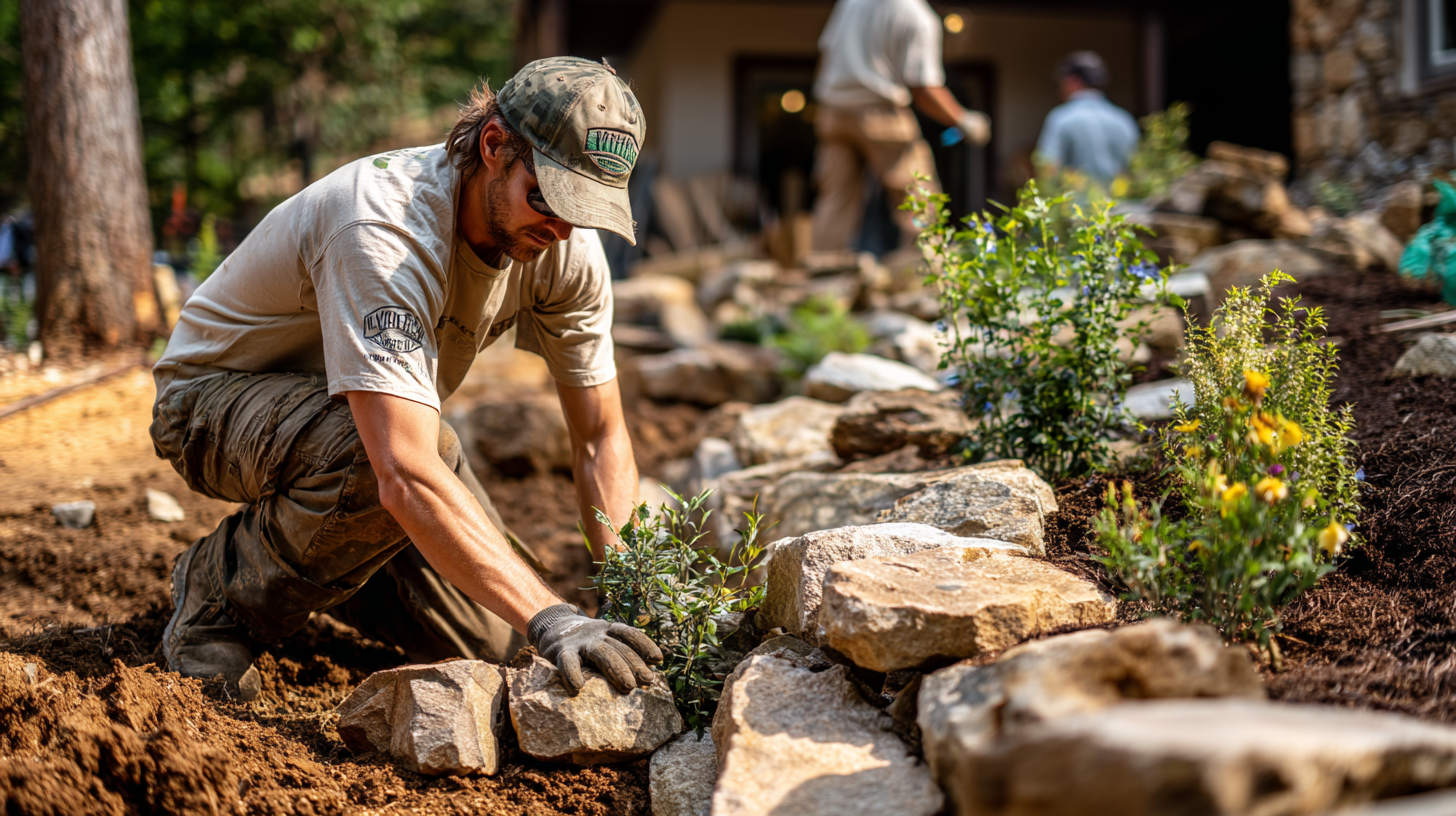
Drainage problems on Weaverville properties typically come from three sources working together: steep slopes that concentrate runoff, clay soil that sheds water instead of absorbing it, and grading that was never designed for WNC rainfall volumes. French drains, terracing, and retaining walls solve all three issues when they’re designed as a system rather than patched on as afterthoughts.
Water moves differently in Weaverville than it does on flat ground, and that difference matters a lot. Steep slopes can channel runoff into destructive torrents during heavy rains, while poorly graded areas create standing water that kills plants and threatens foundations. We see this pattern repeatedly on mountain properties where previous contractors didn’t account for elevation changes. It looks fine on day one and becomes a real headache by spring.
Professional drainage solutions become critical for protecting your property long-term. For guidance on water management and environmental protection, visit the EPA.
Smart drainage design starts during the planning phase, not as an afterthought when problems have already developed. We analyze water flow patterns during our initial site visits, looking for natural drainage paths and potential trouble spots before a single shovel hits the ground. Proper site preparation includes grading that directs water away from structures while capturing it where the landscape can actually use it.
Seasonal Planning for Landscaping Weaverville NC Yards That Look Good All Year
A Weaverville yard needs a plan that covers all four seasons, not just summer color. Snow is possible from December through March, the last frost typically falls mid to late April, and the growing season starts later and ends earlier than at lower elevations around Asheville. Without deliberate planning for winter structure, a yard that looks great in July can look neglected by January.
We plan for winter interest using evergreen structure, ornamental grasses that provide texture through cold months, and hardscaping elements that stay attractive regardless of season. Stone pathways, retaining walls, and outdoor living spaces give your property year-round functionality and serve as focal points during dormant seasons when the flowers are long gone.
Spring timing matters more in the mountains than at lower elevations. Microclimates within individual properties can shift frost dates by weeks. We schedule installations and major pruning based on actual local conditions rather than calendar dates, protecting new plantings from the unexpected late freezes that catch a lot of people off guard every year.
HOA Guidelines and Permits for Weaverville Landscaping Projects
Most residential landscaping in Weaverville doesn’t require permits, but retaining walls over four feet, significant grading changes, and work near streams can trigger review from the town or county. Many Weaverville neighborhoods also have HOA guidelines that affect plant choices, fence heights, and hardscaping materials in ways that surprise homeowners who didn’t read the fine print before starting a project.
Weaverville blends established neighborhoods with newer developments, and each presents its own mix of opportunities and constraints. Older properties often feature mature trees worth preserving, while new construction sites may need comprehensive soil amendment and erosion control before anything decorative can happen. We’ve worked in both situations and know how to handle the differences.
Understanding the HOA approval process is important for major outdoor projects. We’re familiar with common HOA requirements in the Weaverville area and help homeowners work through approval processes for significant landscape projects. Getting that clarity upfront prevents costly revisions once work has already started.
The town’s commitment to its mountain character means your landscaping should complement the natural surroundings. We design landscapes that feel like natural extensions of the mountain environment, using native materials and plants that enhance rather than mask the area’s inherent beauty. That approach also tends to be easier to maintain over the long haul, which is a bonus nobody complains about. For workplace safety standards during landscaping projects, reference OSHA’s official website.
What to Expect When You Work With Reems Creek Outdoors
Reems Creek Outdoors is a local team serving Weaverville, Asheville, Hendersonville, and Riceville. When you call, you get a real person who knows these mountains and genuinely cares about what your yard looks like when we leave. We’re not flying someone in from Charlotte who’s never seen a WNC slope before. We treat every property like it’s our own because that’s the only way we know how to work.
Our process starts with a site visit where we look at your actual soil, your slope, your drainage patterns, and your existing plants. From there we build a design that fits your property and your goals, not a template we copy-paste from the last job. We handle everything from initial design through installation and can help with seasonal maintenance to keep things looking sharp year after year.
Whether you need a full landscape overhaul or just want to fix a drainage problem that’s been driving you crazy, we’re the kind of team you can call without feeling like you’re bothering anyone. And beyond landscaping, we also offer drainage solutions, handyman services, and radon testing and mitigation for homeowners who want one local team they can rely on across multiple needs.
Frequently Asked Questions
When is the best time to start landscaping projects in Weaverville?
Spring and early fall offer the best planting conditions for landscaping in Weaverville NC. We typically schedule major installations between mid-April and early June, then again from September through mid-October. These windows give plants enough time to establish root systems before they face extreme heat or hard freezes. Trying to plant during Weaverville’s summer dry spells or right before a hard frost is a gamble we’d rather not take with your investment. We’ll be upfront with you if the timing isn’t right for what you want to do, and we’ll help you find a window that actually sets your landscape up to succeed.
How much does professional landscaping cost in Weaverville NC?
Landscape projects in Weaverville typically range from $8,000 to $25,000 for comprehensive designs, depending on property size, slope challenges, and material choices. Smaller projects like plant installations or garden bed creation start around $2,500. Mountain properties sometimes cost more than flat-ground work because of the drainage infrastructure and retaining walls that slopes require. We’d rather be straight with you about that upfront than surprise you halfway through a project. Every estimate we provide is specific to your actual property, not a number pulled from a general formula. Call us at (828) 500-1940 and we’ll start with a real conversation about your yard before any numbers get put on paper.
Do I need special permits for landscaping in Weaverville?
Most residential landscaping in Weaverville doesn’t require permits, but there are exceptions worth knowing about. Retaining walls over four feet, major grading changes, or any work near streams may need approval from the town or county. We handle permit research and applications when your project requires them, so you don’t have to figure out local requirements on your own. Getting the permitting right from the start protects you from having to tear out work that didn’t meet code, and that’s a headache nobody needs. If your project is on the edge of what requires approval, we’ll tell you honestly rather than push ahead and hope nobody notices.
What plants work best for Weaverville’s clay soil?
Native plants like mountain laurel, rhododendron, sourwood, and redbud adapt well to clay conditions because they evolved in similar soils right here in the Southern Appalachians. We often amend planting areas with organic matter to improve drainage and give roots a better start, while selecting plants that naturally tolerate heavier soils for the long term. The goal is always a landscape that thrives on its own once it’s established, not one that needs constant intervention to survive conditions it wasn’t suited for in the first place. Getting the plant-to-soil match right from day one saves you from replacing plants that never had a real shot at making it.
How do you handle steep slopes in Weaverville landscaping?
Steep slopes require a combination of terracing, retaining walls, and specialized planting techniques to prevent erosion and create usable outdoor space. We use deep-rooted ground covers, strategic rock placement, and proper grading to stabilize slopes while turning what might feel like a problem into an actual feature of your landscape. A well-designed slope can look intentional and beautiful rather than like something you’re just trying to control. We’ve worked on some seriously steep Weaverville properties and we’ve never run out of solutions, even when the terrain looked daunting at first glance. The mountain topography is part of what makes these properties special once you design with it rather than against it.
Can you work around existing mature trees?
Absolutely, and we prefer to whenever we can. Mature trees add real value to Weaverville properties, both in curb appeal and in the actual appraised value of your home. We design around them whenever possible, using shade-tolerant natives beneath their canopies and protecting root zones during any grading or installation work. If a tree needs to come down for safety reasons or to make space for the landscape you actually want, we’ll tell you honestly and help you think through the decision rather than just swinging a chainsaw because it’s easier. Preserving what’s already thriving on your property is almost always the smarter long-term move.
Ready to Get Your Weaverville Yard Working With the Mountain?
Landscaping Weaverville NC properties takes more than a generic design and a truckload of plants. It takes someone who’s actually worked this terrain, knows how the clay behaves after a spring rain, and cares enough to design something that lasts. That’s what Reems Creek Outdoors brings to every property we touch. Call us at (828) 500-1940 to talk through what your yard needs. We serve Weaverville, Asheville, Hendersonville, and Riceville, and we’re always happy to start with a real conversation.