Key Takeaways
TL;DR: Hiring a landscape contractor in Asheville NC requires more than checking a price quote. The region’s clay-heavy soil, steep grades, and native plant ecosystem demand someone who actually knows this terrain. Vet for licensing, local experience, and honest site assessment before signing anything.
- Confirm the contractor holds a valid NC landscape contractor license and general liability insurance before any conversation goes further.
- Ask specifically about Western North Carolina soil conditions, freeze-thaw patterns, and native plant selection for this climate zone.
- A proper site assessment should happen before any design or proposal is drawn up.
- Full-service companies handling landscape design, outdoor work, and handyman repairs can save significant time and coordination headaches.
- Get a written scope of work, timeline, and payment schedule in writing every single time.
Why Hiring a Landscape Contractor in Asheville NC Is a Different Process
Hiring a landscape contractor in Asheville NC is genuinely different from hiring one in Charlotte or Raleigh, because this region throws conditions at your property that most general contractors never encounter. Mountain terrain, steep grades, red clay soil that drains poorly, and frost-heave cycles that can shift stone work by inches over a single winter all demand someone with real local knowledge. A contractor who learned their trade in the Piedmont may not account for any of that. Asheville sits in a hardiness zone 6b-7a overlap, which means plant selection and timing matter in ways that don’t apply elsewhere in the state. Getting this wrong costs money. Getting it right starts with knowing what questions to ask before the first shovel touches your yard — and for sloped properties especially, understanding the real cost of slope landscaping when comparing professional versus DIY approaches can reshape your entire planning process.
Licensing, Insurance, and the Non-Negotiables
North Carolina requires landscape contractors to hold a license issued by the NC Landscape Contractors’ Licensing Board if they perform work above a certain threshold. That license signals the contractor has passed competency testing, carries appropriate insurance, and operates as a legitimate business rather than a cash-only side operation. Ask for the license number and verify it. Ask for proof of general liability coverage and workers’ compensation. If a contractor hesitates on either of those requests, that hesitation tells you everything you need to know. According to the NC Landscape Contractors’ Licensing Board, unlicensed work can leave the homeowner financially liable if an injury occurs on-site. Beyond credentials, check how long the company has operated locally. A business rooted in the Asheville area has a reputation to protect in a community that talks. Reems Creek Outdoors, based in Western North Carolina, is one example of a locally-rooted operation that has built its track record across Asheville, Weaverville, Hendersonville, and Riceville. See the full list of landscape contractor questions to ask before hiring to make sure you cover every base during the vetting conversation.
What a Real Site Assessment Looks Like
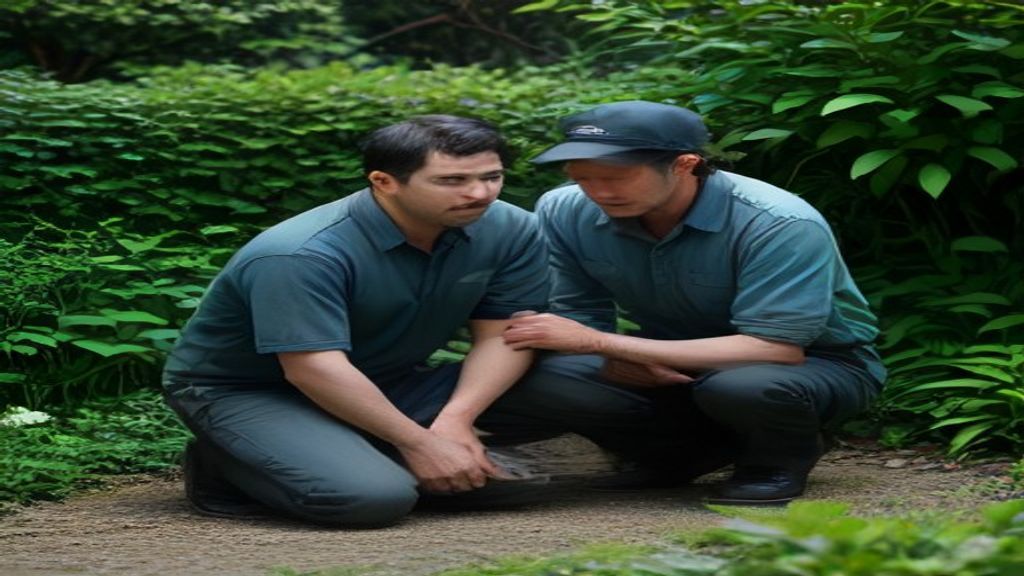
A contractor worth hiring will not quote you a price from a phone call. They need to walk the property. Western North Carolina’s terrain varies dramatically even block to block. A yard in Weaverville landscaping projects might have completely different drainage behavior than one two miles away because of how the slope sits relative to the ridge. A real site assessment means the contractor looks at soil compaction, existing drainage patterns, sun exposure through the seasons, utility access points, and any grade changes that will affect how water moves after a heavy rain. Speaking of utilities, landscaping around utility boxes and meters is a detail many contractors skip entirely until it becomes a code issue. A thorough contractor flags those things during the assessment, not after the plants are already in the ground. Ask the contractor to walk you through what they found and how their design responds to those site-specific conditions. If the answer sounds generic, it probably is.
Red Flags During the Assessment Phase
Watch for contractors who skip grade measurements, never mention soil testing, or propose the same plant palette regardless of your specific light and drainage situation. Those are signs of someone running a volume operation rather than a site-specific design process.
Native Plants, Local Knowledge, and Why It Matters
North Carolina’s Cooperative Extension Service consistently recommends native plants for Western North Carolina landscapes because they establish faster, require less water once rooted, and support local pollinators that non-native ornamentals simply don’t. Native species like mountain laurel, Eastern red columbine, and river oats are adapted to the region’s clay soil and rainfall patterns. A contractor who pushes non-native species without explaining the tradeoffs may be working from a supplier relationship rather than your property’s best interest. “Planting the wrong species for your microclimate is one of the most common and expensive mistakes homeowners make,” says Dr. Frank Holtz, a horticulture extension specialist. “Native plants selected for specific soil and drainage conditions outperform imported ornamentals almost every time in mountain environments.” Ask any contractor you interview which native species they recommend for your specific conditions and why. The depth of that answer reveals how much they actually know about this region. For additional guidance tailored to mountain properties, Blue Ridge landscaping tips can help you understand what performs well across elevations and soil types before your first contractor conversation.
The Full-Service Advantage for Asheville Homeowners
Coordinating a landscape designer, a separate hardscaping crew, and a handyman for the follow-up punch list is exhausting. Things fall through the cracks between contractors. Schedules conflict. Everyone points at the other company when something doesn’t line up. Working with a full-service outdoor company that handles landscape design, outdoor construction, and handyman work under one roof removes most of that friction. One point of contact means one set of expectations, one timeline conversation, and one accountable party when questions come up. Projects that include structural elements like retaining walls or patios on challenging terrain benefit especially from this integrated approach — reviewing hardscaping ideas for challenging terrain in Asheville shows why sequencing between trades matters so much on mountain properties. “Homeowners who use multiple subcontractors for a single project consistently report more scheduling delays and scope disputes than those who work with an integrated service provider,” notes landscape architect and project management consultant Sandra Briel, MLA. That kind of coordination matters especially in Asheville, where projects often involve sloped sites, drainage solutions to fix water problems, and structural elements that all have to be sequenced correctly to avoid rework. For more information on drainage best practices, see resources from the EPA regarding stormwater management and soil conservation.
Frequently Asked Questions
Does a landscape contractor in Asheville NC need to be licensed?
Yes. North Carolina requires a license from the NC Landscape Contractors’ Licensing Board for work above certain project thresholds. Always ask for the license number and verify it directly with the licensing board before signing a contract. Unlicensed work can expose the homeowner to liability if an injury occurs on the property during the project. For worker safety standards, consult OSHA guidelines on contractor qualifications and site safety.
How much does landscape work typically cost in the Asheville area?
Costs vary widely based on scope, site complexity, and materials. Basic planting and mulch installations might start around $1,500 to $3,000, while full landscape design and installation projects with grading, drainage, and hardscaping elements can run $10,000 to $30,000 or more. Always get a written itemized estimate rather than a verbal ballpark figure.
What questions should I ask before hiring a landscape contractor?
Ask about their NC license, insurance coverage, years of local experience, site assessment process, and how they handle drainage and soil conditions specific to Western North Carolina. Ask for references from projects completed in similar terrain. A full list of vetting questions is available at the resource linked in this article’s body section.
How do I know if a contractor understands Asheville’s specific soil and climate conditions?
Ask directly about clay soil management, freeze-thaw cycle planning, and native plant selection for hardiness zone 6b-7a. A knowledgeable contractor will reference local growing conditions and explain how their design responds to those specifics rather than offering generic recommendations.