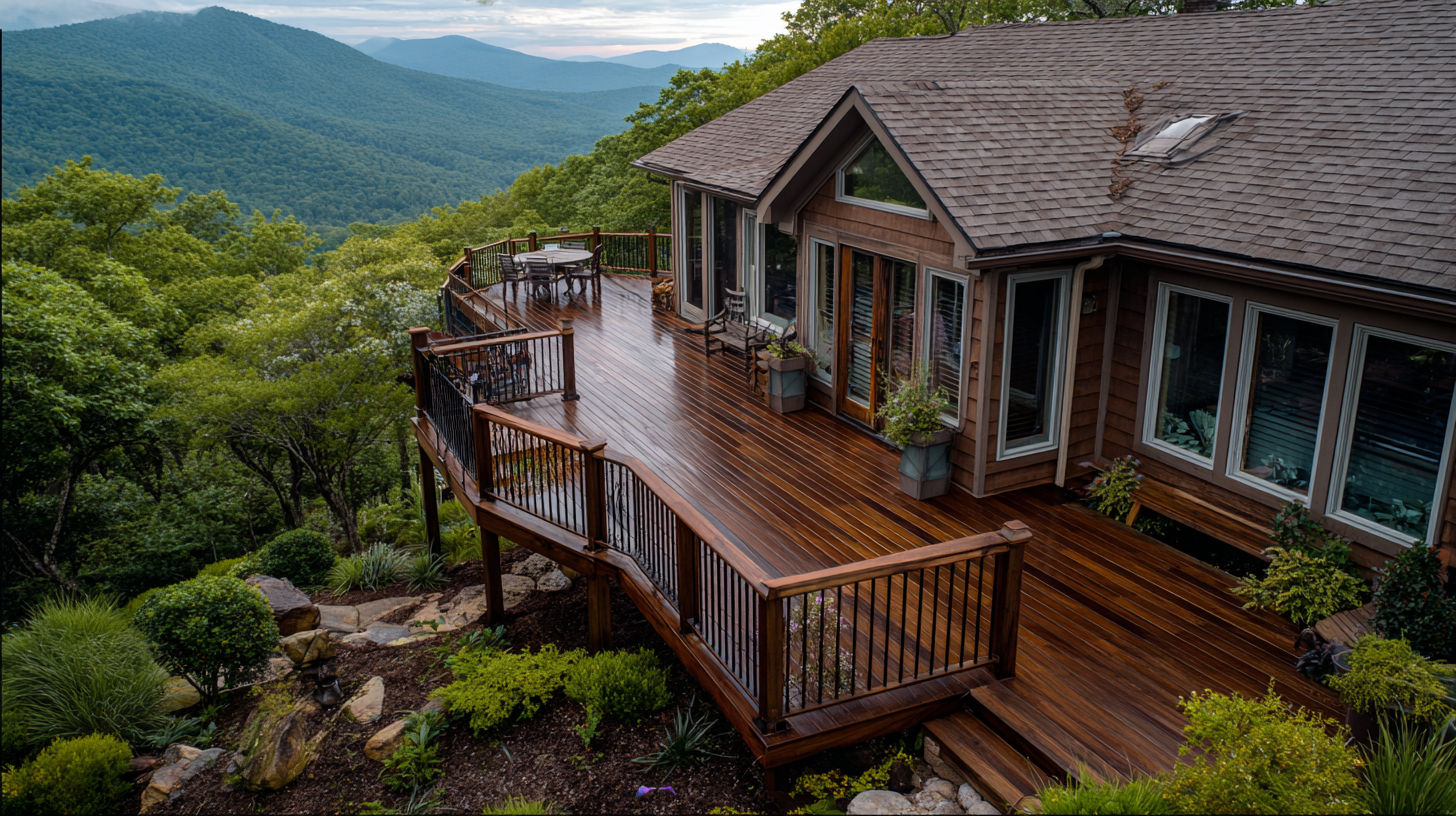
Deck Building in Asheville NC: Construction, Staining & Sealing
If you’re thinking about deck building in Asheville NC, you’ve landed in the right place. Reems Creek Outdoors builds, stains, and seals decks across Western North Carolina, including Weaverville, Hendersonville, and Riceville. We treat every project like it’s our own backyard because, honestly, we live here too and we know exactly what mountain weather does to outdoor wood.
Key Takeaways
From new deck building to refinishing in Asheville NC, proper construction and protection keeps your outdoor space beautiful and structurally sound through WNC’s toughest weather seasons.
- Western North Carolina’s wet winters and UV-intense summers demand quality deck protection every 2-3 years
- New deck building in Asheville NC requires materials and framing techniques suited to mountain climate conditions
- Proper surface prep removes old stain, mildew, and weather damage before new coatings go on
- Semi-transparent stains highlight wood grain while solid stains provide maximum UV protection
- Professional application ensures even coverage and prevents costly moisture damage
- Regular maintenance extends deck life by 10-15 years compared to untreated wood
Why Asheville Decks Need Professional Attention
Your deck takes a serious beating in Western North Carolina. Summer thunderstorms dump inches of rain in minutes. Winter freeze-thaw cycles crack and warp unprotected boards. Add in our intense mountain UV exposure and you’ve got a recipe for real wood damage, whether your deck is brand new or fifteen years old.
We’ve been working on Asheville decks since 2010, and here’s what we know: quality deck building, staining, and sealing isn’t just about looks. It’s about preserving your investment. The average deck replacement in our area runs $15,000 to $25,000. Getting the construction and maintenance right from the start costs a fraction of that. We understand mountain weather patterns that out-of-town contractors miss. Clay soil drainage, elevation changes, and seasonal moisture swings all impact how your deck ages. Just like our Blue Ridge landscaping tips for mountain properties, deck care requires understanding local conditions.
Deck Building in Asheville NC: What Goes Into a Mountain-Ready Deck
Building a deck in Asheville isn’t the same as building one in Charlotte or Raleigh. The elevation, the humidity swings, the freeze-thaw cycles every winter, and the heavy canopy cover on many WNC properties all create conditions that demand smarter material choices and more thoughtful framing. When you hire us for deck building in Asheville NC, we start by evaluating your site conditions before a single board gets cut.
Soil stability and drainage matter a lot in mountain terrain. A deck footing that’s perfectly fine in flat ground can shift when it’s sitting on clay-heavy soil with a slope and seasonal ground saturation. We factor in your yard’s grade, drainage patterns, sun exposure, and tree coverage before recommending materials or layouts. Pressure-treated lumber handles mountain moisture well for framing. Cedar and certain composite options hold up better for decking surfaces where UV exposure is a concern. We walk you through the tradeoffs honestly so you get a deck that fits your budget and actually lasts. Before starting major projects, homeowners should also consider whether they need to remove trees that might interfere with the work.
If you’re part of an HOA, make sure to check our guide about the HOA approval process for deck work before we break ground. Getting approvals sorted early keeps your project on schedule.
Deck Refinishing in Asheville NC: Bringing Old Decks Back to Life
You don’t always need to tear out and start over. Deck refinishing in Asheville NC is one of the best-value projects we do, and homeowners are often surprised at how dramatically a neglected deck can turn around with the right prep work and fresh stain. If your deck has grayed out, started showing surface cracks, or developed patches of mildew, refinishing is usually the smarter call before you start pricing replacements.
The key to a good refinishing job is honest assessment. We inspect the structural framing, check for soft spots or rot in the decking boards, and test how well existing stain or sealer is still bonded to the surface. If the bones are solid, we can often strip, prep, and refinish in a way that adds years of functional life and restores the curb appeal you’ve been missing. We replace damaged boards as needed, sand rough areas, countersink loose fasteners, and then get into the staining and sealing process. Skipping any of those prep steps is exactly how refinishing jobs fail within a season, and we’re not interested in doing work we’d be embarrassed about six months later.
The Science Behind Staining and Sealing in Mountain Climates
Wood stain isn’t paint. It penetrates lumber fibers, creating a barrier against moisture while still letting the wood breathe. In Asheville’s humid summers, trapped moisture causes rot, mildew, and structural damage. Quality stains contain UV inhibitors that prevent the sun’s rays from breaking down lignin, the natural polymer that gives wood its strength. For more background on wood protection science, see Wood stain on Wikipedia.
Semi-transparent stains show wood grain and natural character while providing solid protection. Solid stains offer maximum UV blocking but cover the wood’s natural look. We help you choose based on your deck’s age, wood type, and how much direct exposure it gets. Pressure-treated lumber handles stain differently than cedar or composite materials, and our team knows which products work best with each.
Choosing the Right Stain for Your Deck
Oil-based stains penetrate deeper but need longer drying times in humid conditions. Water-based options dry faster and clean up easier but may need more frequent reapplication. We factor in your deck’s orientation, tree coverage, and local weather when recommending products. A north-facing deck under mature oaks needs completely different protection than a south-facing deck baking in full sun all afternoon. The EPA website provides guidance on environmentally responsible stain and sealer products if you want to dig into that.
Our Professional Deck Preparation Process
Great staining starts with great prep work, and this is where most DIY jobs fall apart. We pressure wash at the right PSI to remove dirt, mildew, and failed coatings without damaging wood fibers. Too much pressure gouges soft lumber. Too little leaves contaminants that prevent proper stain adhesion. Most homeowners who try this themselves skip critical prep steps or use the wrong pressure settings and wonder why their finish is peeling by spring.
After washing, decks need complete drying time. We test moisture content with professional meters because staining damp wood causes peeling, bubbling, and premature failure. In Asheville’s humid climate, that often means waiting 48-72 hours after washing before we touch a brush. We also sand rough areas, replace damaged boards, and countersink loose fasteners that could tear staining equipment. Timing the project right matters just as much as the materials you use. Understanding how to prepare your outdoor spaces for winter helps extend the life of your deck finish between professional service visits.
Timing and Weather Windows in WNC
Temperature and humidity windows matter more in Western North Carolina than in flatter, drier regions. We won’t stain when temperatures drop below 50°F or climb above 90°F. High humidity prevents proper curing. Direct sunlight causes lap marks and uneven coverage. Our team monitors forecasts and schedules work during optimal conditions so you don’t end up with a finish that looks great for a month and then starts peeling. The OSHA website provides safety guidelines for outdoor work conditions that we follow on every job.
Professional Application: Why It Actually Matters
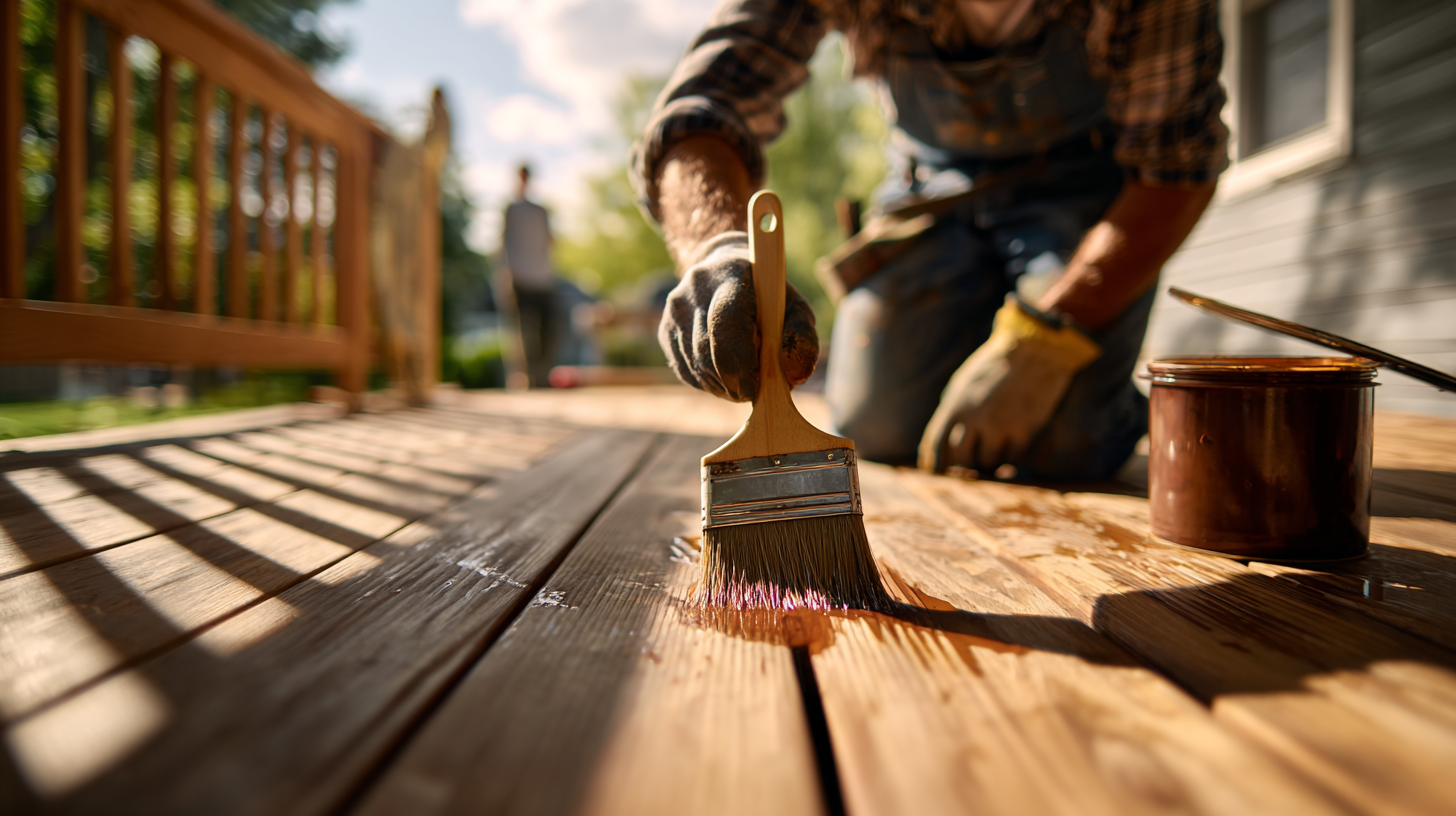
Even application requires the right tools and the right technique. We use professional sprayers for large surface areas and brushes for detailed work around railings, balusters, and trim. Back-brushing ensures stain penetrates into wood pores rather than just sitting on the surface. That one step alone separates a professional result from a DIY attempt that starts flaking within months.
Quality control happens throughout the whole process. We maintain wet edges to prevent overlap marks. Multiple thin coats provide better protection than a single heavy application. Our team knows how different wood species accept stain and adjusts technique accordingly. Pine stains differently than oak. New lumber needs different prep than weathered decking. The final step is cleanup and inspection. We protect your landscaping, remove masking materials, and check coverage consistency. Any missed spots get touch-up attention before we consider the job done. Just like our landscape design process for Asheville homes, attention to detail is what separates professional work from a quick fix.
Frequently Asked Questions
Can Reems Creek Outdoors handle full deck building in Asheville NC?
Yes. We handle deck building in Asheville NC from the ground up, including site evaluation, material selection, framing, decking installation, and finishing. We work across Asheville, Weaverville, Hendersonville, and Riceville. Our process starts with understanding your site conditions, your budget, and how you actually want to use the space. Mountain terrain introduces variables that require local knowledge, and that’s exactly what we bring to every build. Give us a call at (828) 500-1940 to talk through what you’re envisioning.
How often should I stain my deck in Asheville?
Most decks need professional staining every 2-3 years, though timing depends on exposure, wood type, and stain quality. Decks facing south or west tend to need more frequent attention because of UV exposure. We recommend annual visual inspections to catch problems early before they turn into structural issues. Understanding how to prepare your outdoor spaces for winter can also help extend the life of your deck finish between service visits.
What does deck refinishing in Asheville NC typically involve?
Deck refinishing in Asheville NC starts with a thorough inspection of your existing deck’s structure and surface condition. We pressure wash, test moisture levels, sand rough spots, replace any boards that have rotted or cracked beyond repair, and countersink loose fasteners. Only after all that prep work is done do we apply fresh stain or sealer. Skipping prep steps is the number one reason refinishing jobs fail early. We also check drainage around the deck’s base and often recommend our drainage solutions to fix water problems that could be accelerating deck wear.
Can you stain over existing deck stain?
Sometimes, but we always do proper adhesion testing first. Peeling, flaking, or thick stain buildup requires complete removal before anything new goes on. Applying semi-transparent stains over solid colors rarely works well and tends to look blotchy within a season. We test small areas before committing to full application so there are no surprises. If the existing finish is still bonded well, we can work with it. If it’s not, we’ll tell you straight up and explain why stripping makes more sense for the long-term result.
What’s the difference between deck stain and deck sealer?
Stain contains pigments that color the wood while providing protection from moisture and UV exposure. Clear sealers protect without changing the wood’s appearance but offer limited UV protection on their own. Most quality deck stains we use include sealing properties in one product, so you get both benefits without needing separate applications. The right choice depends on your wood type, your deck’s age, and whether you want to show off the natural grain or cover it up for a more uniform look.
How long before I can use my deck after staining?
Light foot traffic is usually fine after 24-48 hours depending on temperature and humidity. Full curing takes 7-14 days. We recommend keeping furniture off the deck and avoiding heavy use during that window to protect the fresh finish from scuffing or marking. Many homeowners use that downtime to tackle other outdoor projects, and we’re happy to help with those too. Check out our work on backyard landscaping in Asheville NC if you want to make the most of your outdoor space while the deck cures.
Ready to Start Your Deck Project?
Whether you’re looking at new deck building in Asheville NC, deck refinishing, or routine staining and sealing to protect what you’ve already got, we’re the local team that treats your property like our own. We’ve been doing this in Western North Carolina since 2010, and we understand the mountain weather, the soil conditions, and the local quirks that out-of-town contractors miss. If you’re planning to sell, proper deck maintenance also pairs well with strategic landscaping improvements to boost your home’s value. Your deck is one of the best places to enjoy mountain living, and we want to help you keep it that way. Call us at (828) 500-1940.