Natural vs Artificial Turf: Asheville Homeowners Guide
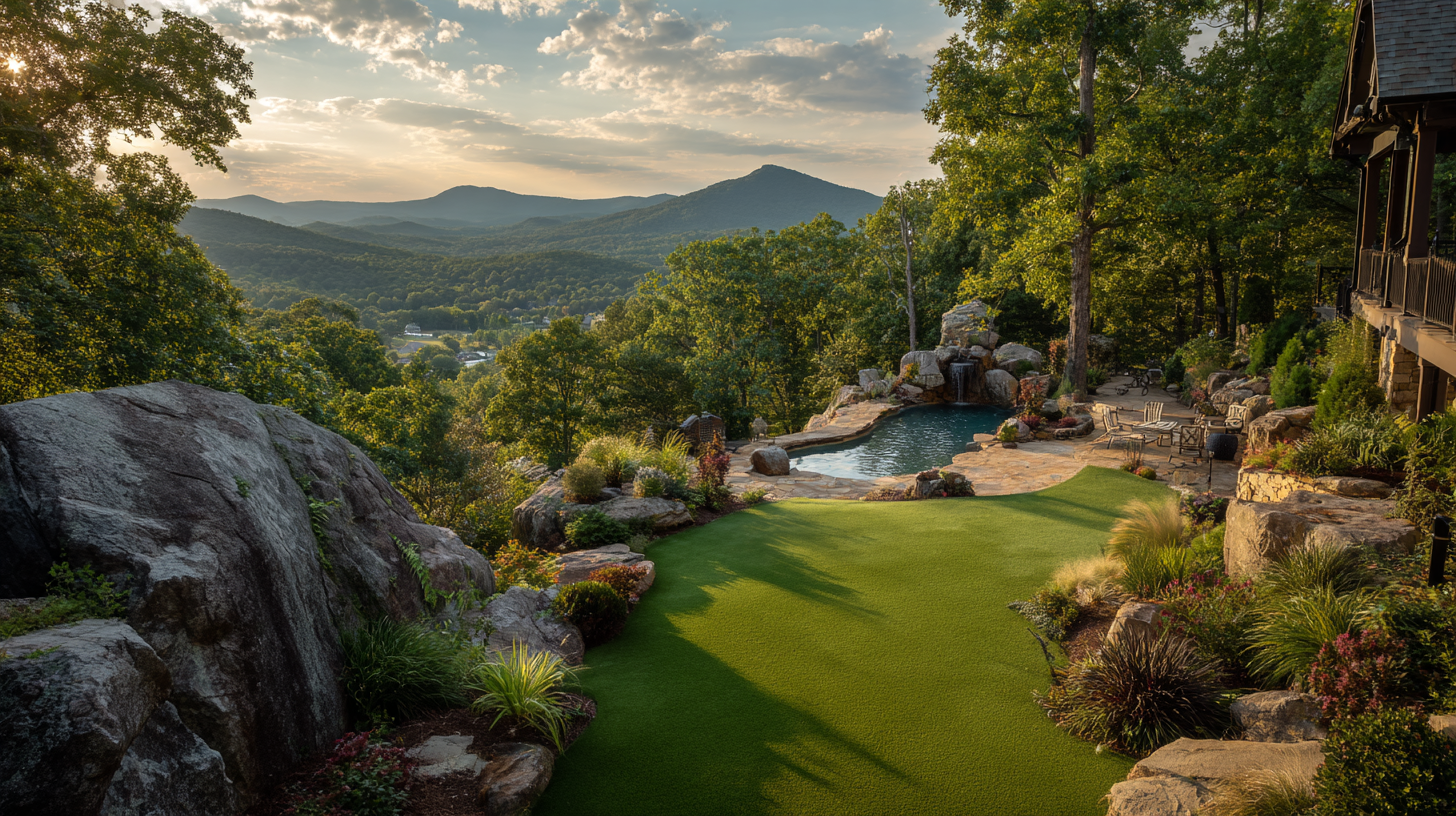
Key Takeaways
Choosing between natural grass and artificial turf involves weighing upfront costs, maintenance time, environmental impact, and how each performs in Asheville’s mountain climate and clay soil conditions.
- Natural grass requires ongoing watering, fertilizing, and mowing but provides better cooling and environmental benefits
- Artificial turf costs more upfront ($5-20 per square foot) but eliminates weekly maintenance routines
- Clay soil and steep slopes in Western North Carolina create unique challenges for both options
- Synthetic turf can reach surface temperatures of 160°F in summer, while natural grass stays much cooler
- Proper drainage becomes critical with either choice due to our region’s heavy rainfall patterns
Understanding Turf Options in Mountain Terrain
Living in Asheville means dealing with red clay soil, steep grades, and weather that swings from 90-degree summers to surprise late spring frosts. Your lawn choice affects everything from weekend plans to water bills. Natural grass and artificial turf each bring advantages and headaches, especially when you factor in our unique growing conditions.
We’ve installed both options across Buncombe County since 2010. Natural grass works beautifully when you’ve got the right soil prep and don’t mind regular upkeep. Artificial turf makes sense for problem slopes or busy families who want a green space without the weekend mowing ritual. The trick is understanding what each option really costs over time and how it’ll perform on your specific property. When planning major outdoor improvements, proper yard preparation for spring construction ensures successful turf installation regardless of which option you choose.
Natural Grass: The Traditional Choice
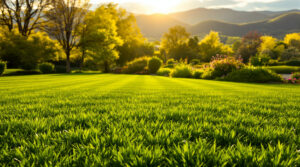
Fescue and zoysia varieties thrive in our climate when properly established. Natural grass provides cooling through evapotranspiration, supports local ecosystems, and feels great underfoot. Kids and pets love real grass for playing and lounging.
The reality check comes with maintenance. Weekly mowing during growing season, spring and fall fertilization, overseeding thin spots, and dealing with brown patches from fungal issues or dry spells. Our clay soil compacts easily, requiring annual aeration. Steep slopes erode without proper grass coverage, and shaded areas under mature oaks often stay thin despite your best efforts. Understanding how to manage trees before landscaping can improve natural grass success in shaded areas.
“Natural grass remains the gold standard for residential lawns when homeowners commit to proper maintenance and have suitable growing conditions,” explains the Wikipedia article on lawns. “The key is realistic expectations about time investment and understanding your specific site challenges.”
Water requirements vary by season. Established fescue needs about an inch per week during summer months. Clay soil holds moisture well but drains poorly, creating fungal problems when overwatered. Getting the balance right takes practice and attention to weather patterns. For properties with drainage challenges, managing water properly becomes essential for any turf choice.
Artificial Turf: Low Maintenance Alternative
Modern synthetic turf looks remarkably realistic compared to the bright green carpeting from decades past. Quality products use varied blade heights and colors that mimic natural grass appearance. No mowing, no fertilizing, no bare spots from dog traffic or shade issues.
Installation costs run $8-20 per square foot including proper base preparation. That’s $8,000-20,000 for a modest 1,000 square foot area. The upfront investment stings, but eliminates ongoing maintenance expenses and time commitments. Artificial turf typically lasts 10-15 years with proper care. For those considering comprehensive outdoor improvements, hardscaping ideas often complement turf choices to create versatile outdoor spaces.
Heat retention becomes a real issue during Asheville summers. Synthetic surfaces can reach 160°F on sunny days, making barefoot activity uncomfortable and potentially dangerous for pets’ paws. Adequate drainage remains crucial since artificial turf doesn’t absorb water like natural grass. Learn more about synthetic turf technology and developments.
“Quality installation with proper drainage and infill materials determines long-term satisfaction with artificial turf,” notes professionals in the landscaping industry. “Cutting corners on base preparation leads to drainage problems and premature wear.”
Performance in Mountain Weather
Artificial turf handles our freeze-thaw cycles better than you might expect. Quality products resist UV degradation and temperature extremes. Snow melts faster on synthetic surfaces, extending usable outdoor time during winter months. However, ice formation can create slippery conditions that natural grass wouldn’t have. Homeowners preparing for winter should review seasonal lawn preparation strategies regardless of turf type selection.
Cost Comparison Over Time
Natural grass appears cheaper initially but costs add up. Seed or sod installation runs $1-3 per square foot. Annual maintenance including fertilizer, seed, and equipment averages $500-1,200 for typical residential lawns. Water costs vary based on rainfall and irrigation efficiency.
Artificial turf requires significant upfront investment but minimal ongoing expenses. Occasional brushing, debris removal, and antimicrobial treatments for pet areas represent the main maintenance tasks. No water, fertilizer, or equipment costs after installation.
Breaking down a 10-year comparison shows natural grass costing $3,000-8,000 total while artificial turf runs $8,000-20,000 upfront with minimal ongoing expenses. The numbers depend heavily on your specific maintenance approach and site conditions. For comprehensive landscape design planning, considering long-term costs helps determine the best approach for your property.
According to the Environmental Protection Agency, average household water use for lawn irrigation ranges from 16,000-24,000 gallons annually. Eliminating irrigation saves water and reduces utility bills, particularly during drought restrictions that periodically affect our region.
Environmental Considerations
Natural grass produces oxygen, filters rainwater, and supports beneficial insects and soil microorganisms. Root systems prevent erosion and help manage stormwater runoff, particularly important on Asheville’s sloped properties. Choosing sustainable landscaping practices enhances these natural benefits across your entire yard.
Artificial turf eliminates pesticide and fertilizer use, reducing chemical runoff into local waterways. However, synthetic materials eventually require disposal and don’t provide ecological benefits. Manufacturing and transportation also create environmental impacts that natural grass doesn’t have. Research from the National Institutes of Health continues examining long-term environmental effects of synthetic landscape materials.
Heat island effects from artificial turf can raise surrounding air temperatures. Natural grass cooling through evapotranspiration helps moderate microclimate temperatures around your home. This becomes particularly noticeable during summer afternoons when synthetic surfaces radiate stored heat. For properties with carefully selected plant choices, native vegetation can further reduce heat island effects while complementing turf areas.