Key Takeaways
TL;DR: A backyard makeover in Hendersonville NC can realistically include a gravel or flagstone patio, a fire pit, native plant borders, and defined pathways — all built to handle the freeze-thaw cycles, clay-heavy soils, and slopes common across Henderson County. Projects vary considerably in cost depending on scope, and proper site prep and drainage planning make the difference between a space that lasts and one that shifts every spring.
- Hendersonville’s elevation, slope, and clay soil require different materials and drainage strategies than flatland yards.
- Fire pit installations vary widely in cost depending on materials, gas vs. wood-burning, and site prep requirements.
- Gravel patios and flagstone installs vary in cost depending on size, materials, and site conditions.
- Native plant borders reduce maintenance, support local pollinators, and survive Western NC winters without heavy intervention.
- Cohesive outdoor living spaces tie each element together through consistent material choice, grade correction, and defined edges.
- Permits may be required in Henderson County for structures over certain square footage or for gas fire pit connections.
What a Backyard Makeover Actually Looks Like in Hendersonville
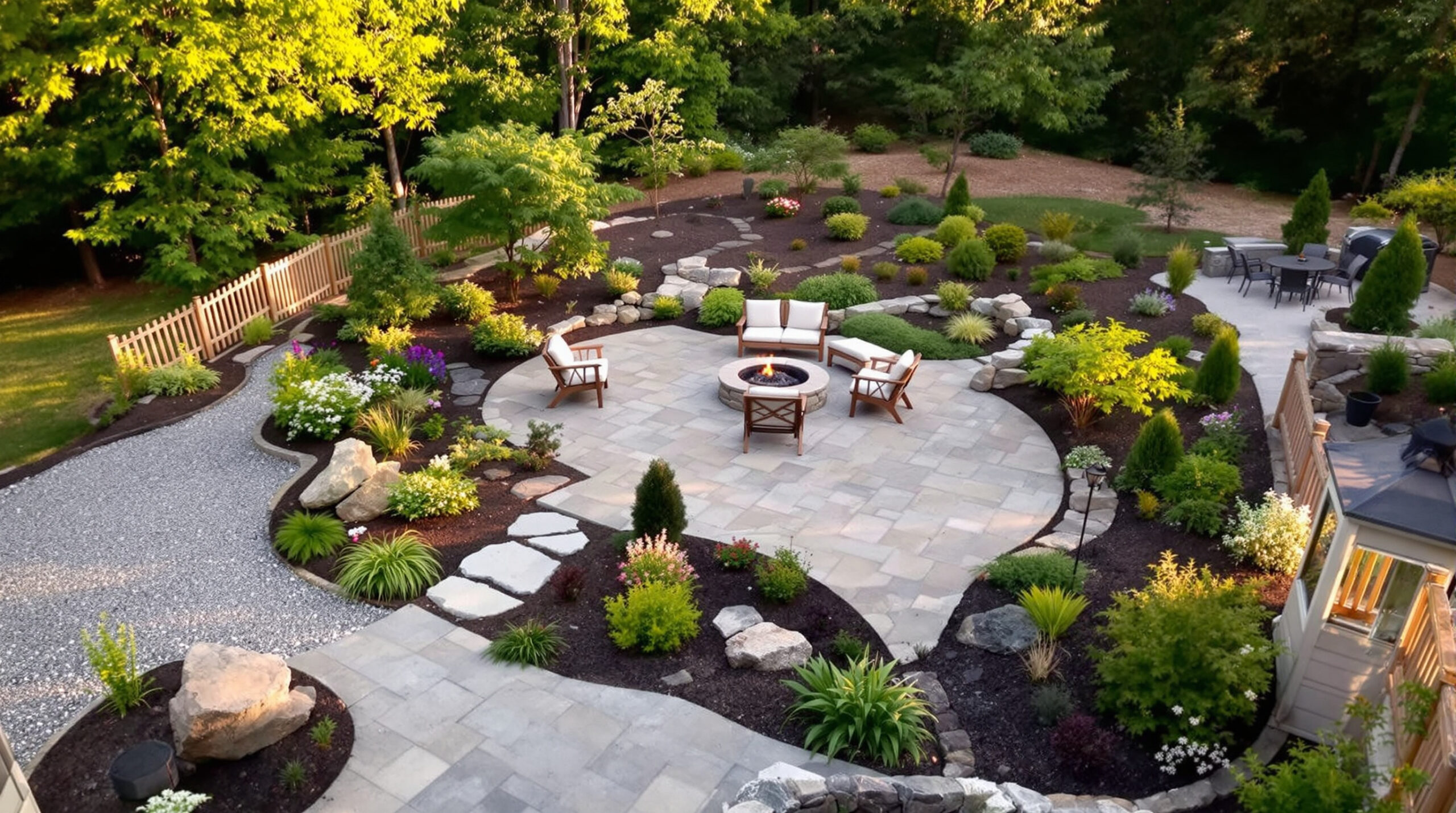
A backyard makeover in Hendersonville NC means working with terrain that ranges from gently sloped to aggressively graded, soil that drains poorly without intervention, and weather that cycles through wet springs, hot summers, and frost events that can crack poorly installed hardscape in a single winter. The best outdoor living spaces in this region start with an honest site assessment, not a catalog photo. Realistic transformations address drainage first, then hardscape structure, then planting, and finally finishing details like lighting or edging. Reems Creek Outdoors applies this sequenced approach to every project in the area, building spaces that look intentional and hold up through actual Western NC conditions rather than falling apart by year two.
Why Hendersonville Soil and Terrain Change Everything
Hendersonville yards present specific challenges that generic backyard design guides simply do not account for. Recognizing those challenges before breaking ground saves thousands of dollars and years of frustration.
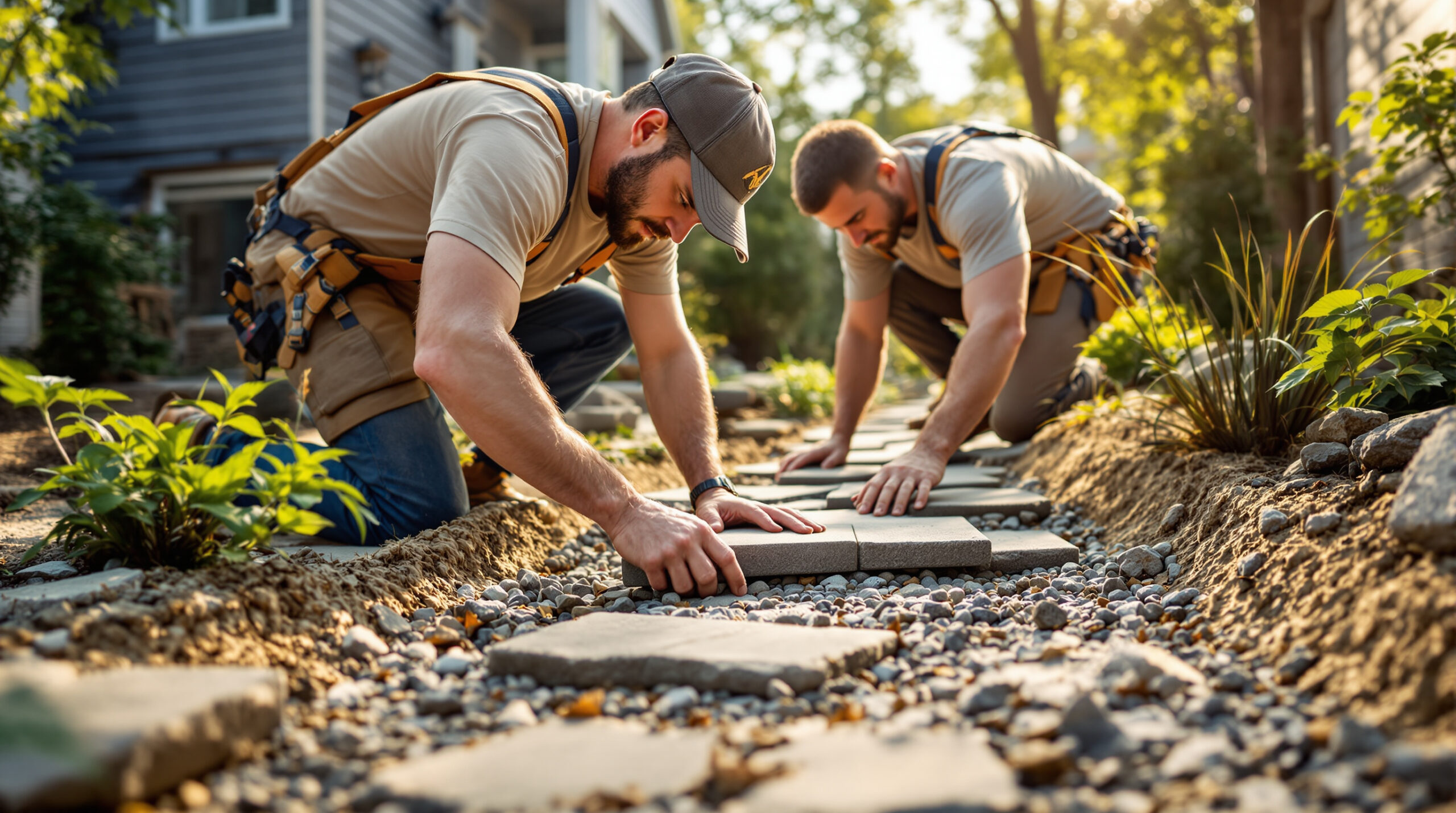
Henderson County sits at significant elevations across most residential areas. That elevation means freeze-thaw cycles happen more frequently and more aggressively than lower-elevation communities. Water gets into small gaps in poorly compacted gravel bases or improperly set flagstone, freezes overnight, expands, and pushes materials out of place. Patios that look fine in October can shift noticeably by March if the base work was not done correctly.
What kind of soil do Hendersonville yards typically have?
Much of Henderson County sits on clay-heavy soil with pockets of rocky substrate, particularly on slopes. Clay soil compacts tightly, drains slowly, and expands when saturated. That movement stresses hardscape edges and causes settling. Proper installs require excavating an adequate depth — based on our project experience, typically several inches — for compacted gravel base layers before any surface material goes down. For more information on soil composition and drainage in your region, consult the Natural Resources Conservation Service (NRCS) or your local county extension office.
How does slope affect patio and pathway placement?
Sloped yards require grade correction or terracing before a usable flat surface exists. Even a modest slope toward a structure can create drainage problems. Retaining elements, French drains, or cut-and-fill grading may be necessary before any decorative work begins. Skipping this step is the single most common cause of failed backyard projects in this region.
Does elevation affect plant selection for borders and landscaping?
Yes, meaningfully. Plants that thrive at Asheville’s elevation may struggle at Hendersonville’s slightly higher and cooler microclimate. Native species adapted to Western NC, such as mountain laurel, wild blue indigo, and native ferns, perform consistently without requiring replanting every few seasons. For detailed guidance on native plant selection for your hardiness zone, consult the USDA Plant Hardiness Zone Map or your local NC State Extension office.
Fire Pit Installation: Costs, Options, and Site Requirements
A fire pit is one of the most requested elements in a backyard makeover in Hendersonville NC, and it is also one of the most variable in terms of cost and complexity. A basic DIY-style ring on a gravel pad costs very little, while a full custom built-in masonry fire pit with a sitting wall and gas connection can run significantly more depending on materials and site conditions.
What are the main types of fire pits available for residential yards?
The three primary categories are prefabricated steel fire pits, built-in masonry fire pits, and gas-connected fire features. Prefabricated units vary in cost depending on size and materials, and need only a cleared, level, non-combustible surface. Built-in masonry versions use natural stone, concrete block, or brick and vary in price based on design complexity and site conditions. Gas connections require a licensed plumber and often a permit, adding meaningfully to the project total. Wood-burning masonry fire pits represent the most popular middle ground for Henderson County homeowners who want a permanent feature without a gas line.
What clearances and permits apply in Henderson County?
Henderson County follows North Carolina fire code guidelines that generally require a minimum 10-foot clearance from structures, fences, and overhanging trees for wood-burning fire features. Gas fire features require permits through the county building department. For specific fire code requirements and safety standards, refer to OSHA guidelines and your local building department. Even when permits are not strictly required, confirming local rules before installation protects homeowners from liability and insurance complications.
What surface should sit under or around a fire pit?
Gravel, flagstone, or concrete pavers are appropriate non-combustible surfaces. A 10-foot diameter gravel pad works well for a standalone pit, with costs varying based on materials and labor. Integrating the fire pit into a larger patio creates a cohesive look and eliminates the patchy appearance of a standalone pit in the middle of a lawn.
Gravel Patios: Affordable, Durable, and Easier Than You Think
Gravel patios have become a popular choice for Hendersonville homeowners because they cost significantly less than concrete or flagstone, drain naturally in rain events, and flex with ground movement rather than cracking under freeze-thaw pressure. A properly installed gravel patio can last many years with minimal maintenance beyond occasional raking and weed fabric replacement.
How much does a gravel patio installation cost in this area?
A standard gravel patio with landscape fabric, compacted base, and clean crushed stone finish will vary in cost depending on size and site prep requirements. Adding defined edging using metal landscape borders, natural stone, or concrete curbing increases the total accordingly. Decomposed granite, pea gravel, and crushed limestone are the three most common material choices, each with different drainage rates and aesthetics.
What type of gravel works best in Western NC conditions?
Crushed angular gravel compacts better than round pea gravel and resists displacement underfoot and in rain events. Three-quarter inch crushed stone with fines locks together under foot traffic and stays in place on mild slopes. Pea gravel looks attractive but migrates easily and requires more frequent maintenance. Decomposed granite offers a fine, firm surface but can become muddy if drainage beneath it is insufficient.
Can a gravel patio integrate with other hardscape elements?
Yes, and integration is actually where gravel patios shine. Flagstone stepping stones set within a gravel field create a finished look without the full cost of solid flagstone coverage. A gravel surround around a fire pit with a flagstone seating area nearby combines affordability with visual interest. Consistent edging material across all elements ties the space together into a coherent design. For a detailed look at how material choices affect outdoor living space costs in Western NC, the outdoor living space cost guide breaks down numbers by element type.
Flagstone Pathways: Connecting Spaces With Purpose
Flagstone pathways do more than look good. In a sloped or multi-level backyard, defined pathways prevent erosion along walking routes, protect lawn areas from compaction, and create clear circulation between the house, patio, fire pit, garden beds, and any other focal points. Without defined pathways, foot traffic creates worn, muddy channels that undermine the rest of the yard’s appearance. For information on erosion control best practices, consult the U.S. Environmental Protection Agency (EPA).
What does flagstone pathway installation cost?
A simple stepping-stone pathway set in gravel or mulch and a mortared flagstone pathway set on a concrete base differ in cost, with mortared installations typically running higher and being appropriate for high-traffic routes or areas with slopes. Total costs depend on length, width, stone type, and installation method. Stone type matters: locally quarried bluestone and fieldstone tend to look most natural in Western NC settings.
How do you prevent flagstone from shifting and settling?
Preventing flagstone movement starts with proper base preparation. Excavating to sufficient depth, installing compacted gravel, and ensuring adequate drainage beneath the stone all reduce freeze-thaw displacement. Mortared installations on a concrete base offer the most stability for high-traffic or sloped areas. For stepping stones set in gravel or mulch, resetting individual stones as needed is a straightforward maintenance task that keeps pathways safe and level over time.