Natural Ways to Permanently Kill Weeds in Your Garden
If you’ve been asking yourself what kills weeds permanently naturally, you’re in the right place. Here at Reems Creek Outdoors, we work with homeowners all over Asheville, Weaverville, Hendersonville, and Riceville who are tired of spraying harsh chemicals and still watching the dandelions come back every spring. The truth is, natural weed control that actually lasts isn’t about one magic trick. It’s about stacking smart strategies so weeds never get a foothold in the first place.
Key Takeaways
Natural weed control isn’t about quick fixes. It’s about creating conditions where weeds can’t thrive while your desired plants flourish year after year.
- Vinegar, salt, and boiling water provide immediate results but may require repeat applications
- Mulching and proper soil health prevent weeds from establishing in the first place
- Hand pulling and landscape fabric offer long-term physical barriers
- Dense plantings and strategic design choices naturally crowd out unwanted growth
- Timing your natural treatments during peak growing seasons maximizes effectiveness
Why Natural Weed Control Works Better Than You Think
Let’s be real. Weeds are nature’s way of saying “Hey, something’s not quite right here.” They’re opportunists that move into bare soil, stressed lawns, and neglected garden beds faster than you can say “dandelion.” The good news? You don’t need to wage chemical warfare to win this battle. Understanding what kills weeds permanently naturally means shifting your mindset from constantly reacting to weeds to building a yard that just doesn’t welcome them.
The secret isn’t only killing what’s already there. It’s creating an environment where weeds struggle to take hold while your intentional plants thrive. Think of it like this: instead of constantly fighting fires, we’re going to remove the kindling altogether. Smart landscape design plays a huge role in this strategy, working with nature instead of against it. Choosing the right plants for your specific growing conditions also gives you a significant advantage in naturally suppressing unwanted growth. When your landscape is designed with intention, weeds have far fewer opportunities to move in.
What Kills Weeds Permanently Naturally: Household Heroes for Fast Results
Your kitchen cabinet holds some surprisingly effective weed killers, and these are great starting points when you need results fast. White vinegar with at least 20% acetic acid content burns through weed foliage on contact, especially when applied on sunny days. The acid disrupts the plant’s cell structure, causing it to wither within hours. For tougher perennial weeds, you might need to hit them two or three times as they try to regrow from their roots. It won’t always be a one-and-done situation with deeply rooted perennials, but consistent applications do wear them down.
Salt works differently. It dehydrates plants and makes soil temporarily inhospitable to new growth. Mix it with vinegar and a few drops of dish soap for better coverage and sticking power. Just remember, salt is indiscriminate. It’ll affect everything in the area, so use it sparingly and only where you don’t want anything growing for a while. Think sidewalk cracks and gravel driveways, not your flower beds.
Boiling water is the nuclear option for natural weed control. Pour it directly on weeds and watch them collapse almost immediately. It effectively kills both the visible plant and damages root systems of annual weeds. It’s perfect for weeds growing in walkway cracks or gravel areas where precision matters. Just be careful around any plants you actually want to keep, because boiling water doesn’t play favorites either.
Timing Makes All the Difference
Apply these treatments during the hottest part of sunny days when weeds are actively growing. The combination of natural acids and heat stress overwhelms the plants’ ability to recover. Young weeds are much easier targets than established ones, so catch them early in the growing season before they set seed and multiply. Preparing your lawn seasonally also helps prevent weed establishment before they become major problems come spring.
Mulch, Soil Health, and the Long Game
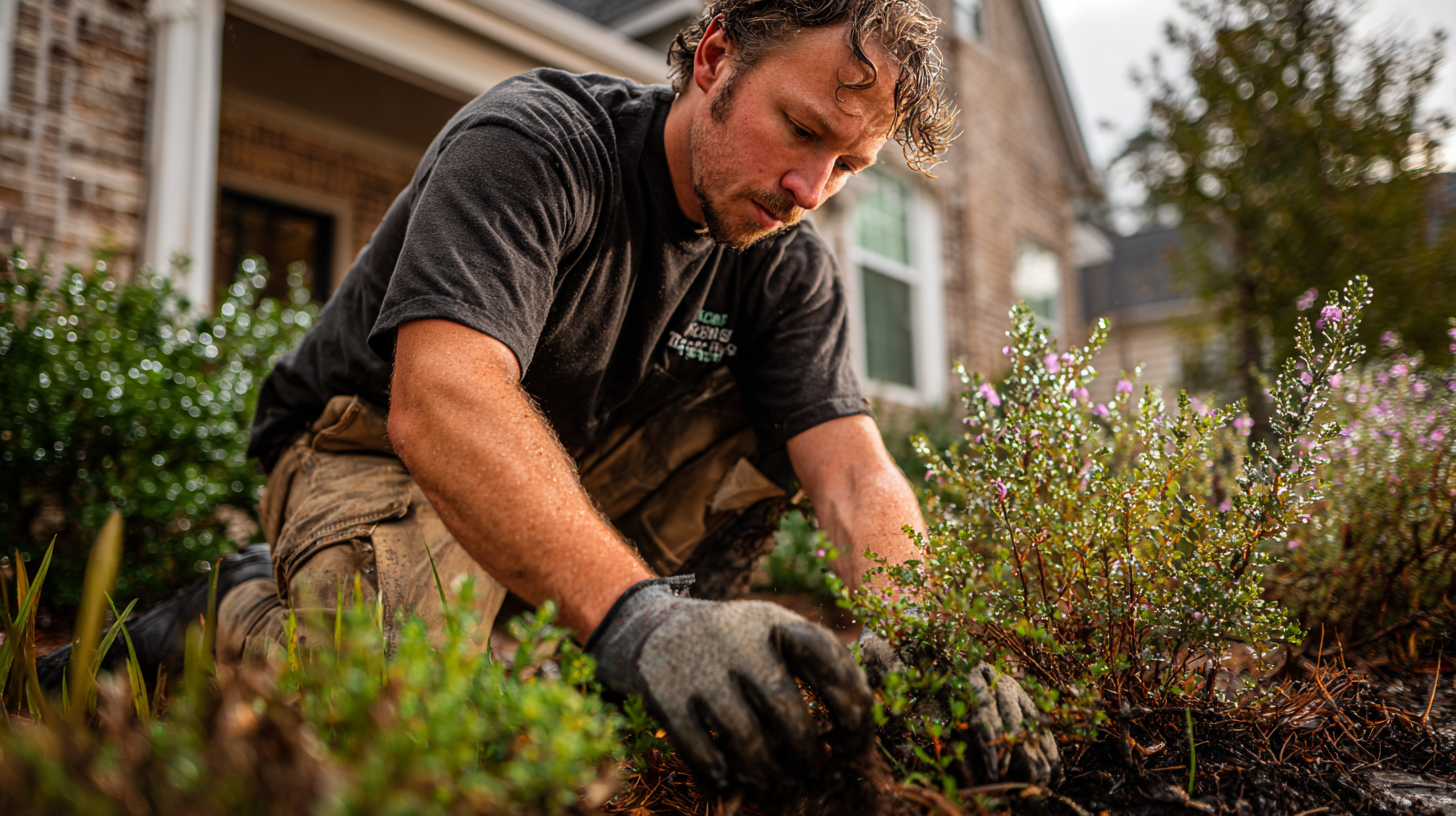
If you want to know what kills weeds permanently naturally over the long haul, mulch is probably your single best tool. Real permanent weed control comes from prevention, not reaction. Thick mulch is your best friend here. Two to four inches of organic material blocks sunlight from reaching weed seeds while slowly improving your soil as it breaks down over time. Wood chips, shredded leaves, and straw all work beautifully. The key is keeping it thick enough to smother potential weeds but not so thick that it prevents water from reaching your plants’ roots. Think of mulch as a standing bouncer at the door of your garden bed.
Soil health matters more than most people realize, and it’s one of the most overlooked parts of the weed conversation. Compacted, nutrient-poor soil creates perfect conditions for weeds while stressing your desirable plants. Weeds are actually pretty good at surviving rough soil conditions, which is why they thrive where our preferred plants struggle. Regular organic matter additions, proper drainage solutions, and avoiding foot traffic on planted areas helps your intentional landscaping stay strong enough to fend off invaders naturally. Sustainable landscaping practices focus on building this long-term soil vitality so your yard works with you instead of against you.
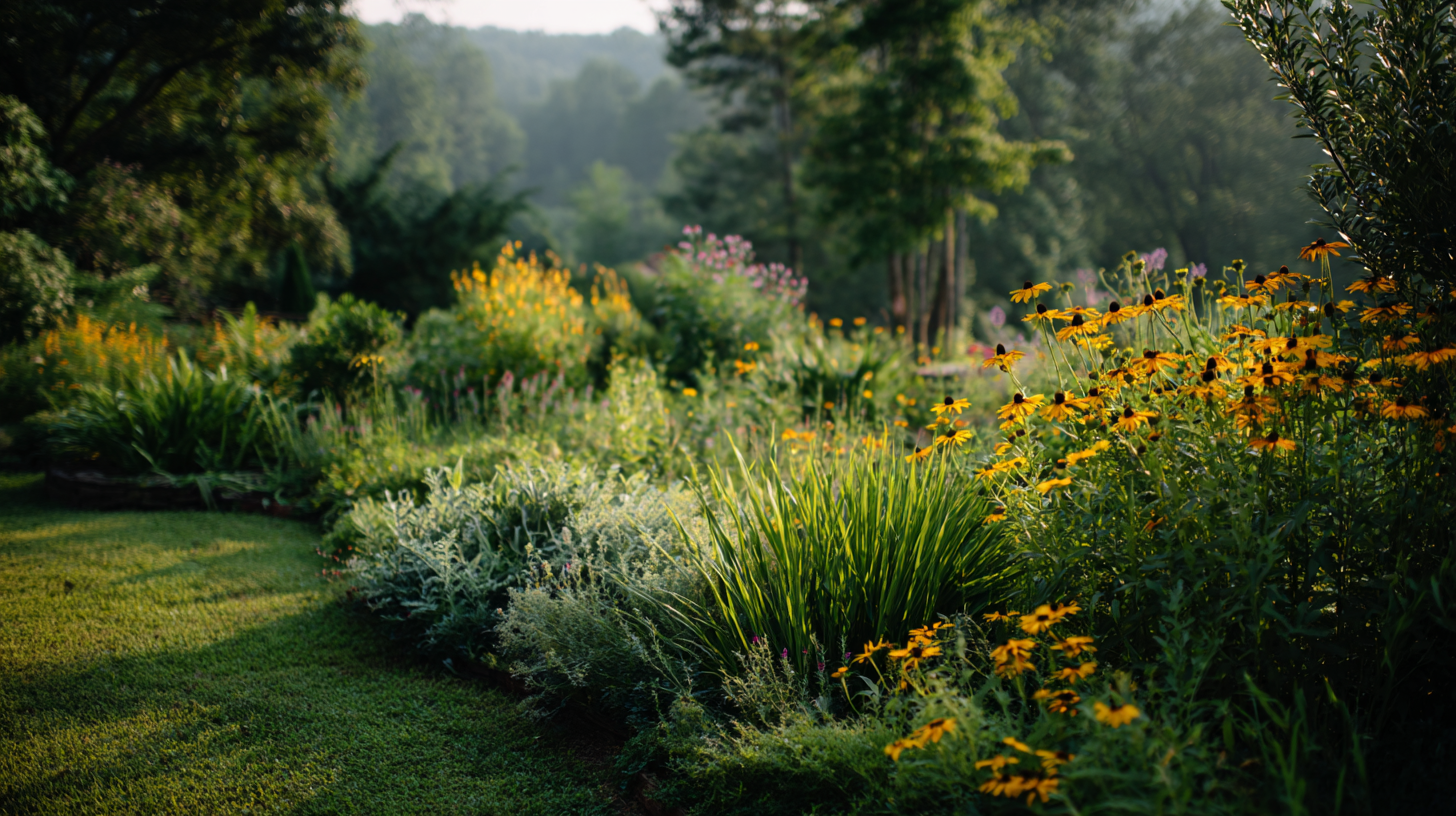
Healthy, dense plantings naturally crowd out weeds by competing for space, nutrients, and light. Native plants adapted to mountain properties are especially good at this because they’re built for local conditions and can outcompete invasive species without much help from you. Ground covers like wild ginger or creeping phlox form living carpets that weeds simply can’t penetrate. Once these are established, you’ll spend a lot less time weeding and a lot more time enjoying your yard.
Physical Barriers and Mechanical Methods That Hold Up
Sometimes the old-fashioned approaches really do work best, and there’s no shame in getting your hands a little dirty. Hand pulling weeds when the soil is moist gets the entire root system out, which prevents regrowth much more effectively than snapping the stem off at ground level. It’s actually therapeutic work. There’s something genuinely satisfying about removing dandelions root and all after a good rain. You feel like you’ve actually solved something.
Landscape fabric under mulch creates an almost impenetrable barrier when installed correctly. Quality fabric allows water and nutrients through while blocking light from reaching weed seeds below. The trick is overlapping seams properly and securing edges so determined weeds can’t sneak their way around. For yard preparation before major landscaping projects, preparing your yard properly includes installing these barriers the right way so they actually hold up season after season.
Regular cultivation with a hoe disrupts emerging weed seedlings before they establish strong root systems. Shallow hoeing on dry, sunny days effectively kills young weeds by severing them from their roots and exposing them to the drying effects of sun and wind. The goal is catching weeds in those first few days after germination when they’re at their most vulnerable. A few minutes with a hoe each week can prevent hours of serious weeding later on.
Strategic Landscape Design That Crowds Out Weeds for Good
One of the most underrated answers to what kills weeds permanently naturally is just smart design. If your landscape is set up correctly, weeds have very little room to move in. Design your landscape to minimize weed-friendly spaces by using tight spacing between perennials, filling gaps with spreading ground covers, and selecting plants that naturally expand over time to cover bare soil.
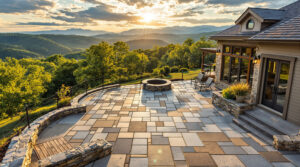
Strategic use of hardscaping features like stone pathways, patios, and retaining walls also replaces bare soil with surfaces where weeds simply cannot grow. You can incorporate custom hardscaping solutions to create defined garden beds with clean edges that are much easier to maintain. It’s like filling in all the gaps before uninvited guests can move in. When we design landscapes for homeowners around Asheville and Weaverville, we’re always thinking about how the design itself discourages weeds so you’re not fighting the same battle every summer.
Consistent moisture management through proper irrigation and mulching also creates conditions that favor deep-rooted perennials over shallow-rooted annual weeds. Well-mulched, properly watered landscaping stays strong while weeds struggle through dry spells. Your desirable plants will have the reserves to push through; most weeds won’t. For more on seasonal yard care in this area, check out our guide on landscaping in Weaverville NC.
Working With Western NC Seasons to Stay Ahead of Weeds
Nature gives us natural windows for effective weed control, and knowing when to act makes a big difference. Early spring, before most weeds have fully established, is prime time for prevention strategies like mulching and applying natural treatments. Get your mulch down before the soil warms up and you’re already winning. Fall applications of natural treatments hit perennial weeds when they’re storing energy in their roots, making the impact more lasting heading into winter.
Hot, dry periods stress both weeds and desirable plants, but you can tip the scales in your favor. Apply your vinegar or salt treatments during these stress periods and the weeds have even less ability to bounce back. Well-mulched, properly irrigated landscaping keeps your intentional plants strong while weeds struggle. The Western NC climate around Asheville and Hendersonville has its own rhythms, and once you understand them, you can use those rhythms to your advantage rather than just reacting to whatever pops up in your beds.
Frequently Asked Questions
Does vinegar kill weeds permanently on the first application?
Vinegar typically kills the visible parts of weeds quickly, but perennial weeds may regrow from their roots, which means repeat applications are often needed. Vinegar with at least 20% acetic acid concentration works best, and applying it on a hot, sunny day increases its effectiveness significantly. Annual weeds tend to respond better to a single treatment than deeply rooted perennials like dandelions or bindweed, which may need two or three rounds before they stop coming back. Vinegar is most effective as part of a broader strategy that includes mulching and soil improvement rather than as a standalone permanent fix.
Is boiling water safe to use around other plants?
Boiling water is a highly effective natural weed killer, but it doesn’t discriminate. It will damage or kill any plant tissue it contacts, including the roots of nearby plants if poured close to them. It works best in isolated areas like sidewalk cracks, gravel driveways, or patio joints where you don’t have desirable plants nearby. If you’re working in a mixed planting area, use a narrow-spouted kettle for precision and keep the pour focused directly on the weed. It’s one of the fastest-acting natural methods available, and it does kill root systems of shallow-rooted annual weeds very effectively.
How much mulch do I need to actually stop weeds from growing?
Two to four inches of mulch is the sweet spot for blocking weed growth naturally. Less than two inches lets too much light through to the soil surface, giving weed seeds the signal they need to germinate. More than four inches can actually prevent adequate water from reaching your plants’ roots. Wood chips and shredded leaves tend to work particularly well because they break down over time and improve your soil while suppressing weeds. Make sure to keep mulch a few inches away from the base of trees and shrubs to avoid rot, and refresh your mulch layer each spring as the previous layer decomposes.
Will salt damage my soil permanently?
Salt can make soil inhospitable to plant growth for an extended period, which is exactly why you need to use it carefully. In areas like driveways, gravel paths, or between pavers where you never want anything to grow, salt is a practical choice. In garden beds or lawn areas, though, salt can build up in the soil and make it difficult to grow anything for a season or longer. If you accidentally over-apply salt near a planting area, heavy rain and deep watering over time can flush it out, but recovery isn’t instant. Reserve salt-based treatments for hardscaped areas and stick to vinegar or boiling water near your plantings.
What’s the most effective long-term natural weed control strategy?
The most effective long-term approach combines several methods rather than relying on any single one. Start with thick mulch to block sunlight and prevent germination. Add dense native plantings that spread and cover bare soil over time. Use physical barriers like landscape fabric under mulch in areas with persistent weed pressure. Then stay consistent with seasonal maintenance, pulling weeds when they’re young and touching up your mulch layer each spring. Addressing soil health through organic matter and proper drainage also makes your desirable plants stronger competitors. When your landscape is designed thoughtfully from the start, the ongoing maintenance required to keep weeds out drops considerably.
Ready to Stop Fighting Weeds Every Season?
Knowing what kills weeds permanently naturally is a great start, but putting all these strategies together in a way that actually works for your specific yard takes real hands-on experience. At Reems Creek Outdoors, we treat every property like it’s our own, which means we don’t just throw mulch at the problem and call it a day. We look at your soil, your plant selection, your drainage, and your overall landscape design to build a yard that genuinely resists weeds season after season. We serve homeowners throughout Asheville, Weaverville, Hendersonville, and Riceville, and we’d love to help you get your landscape working for you instead of against you. Call us at (828) 500-1940 or reach out through our contact form to get started.